Freeman Recovery Center Dickson
Located on State Street, Freeman Recovery Center Dickson holds Joint Commission accreditation. Since 2012 it has provided detox and co-occurring care, and it is one of 325 SAMHSA-listed facilities in Tennessee. Its programs, setting and payment options are covered here.
- Joint Commission
- Detox
- Co-Occurring Mental Health
- 30 days
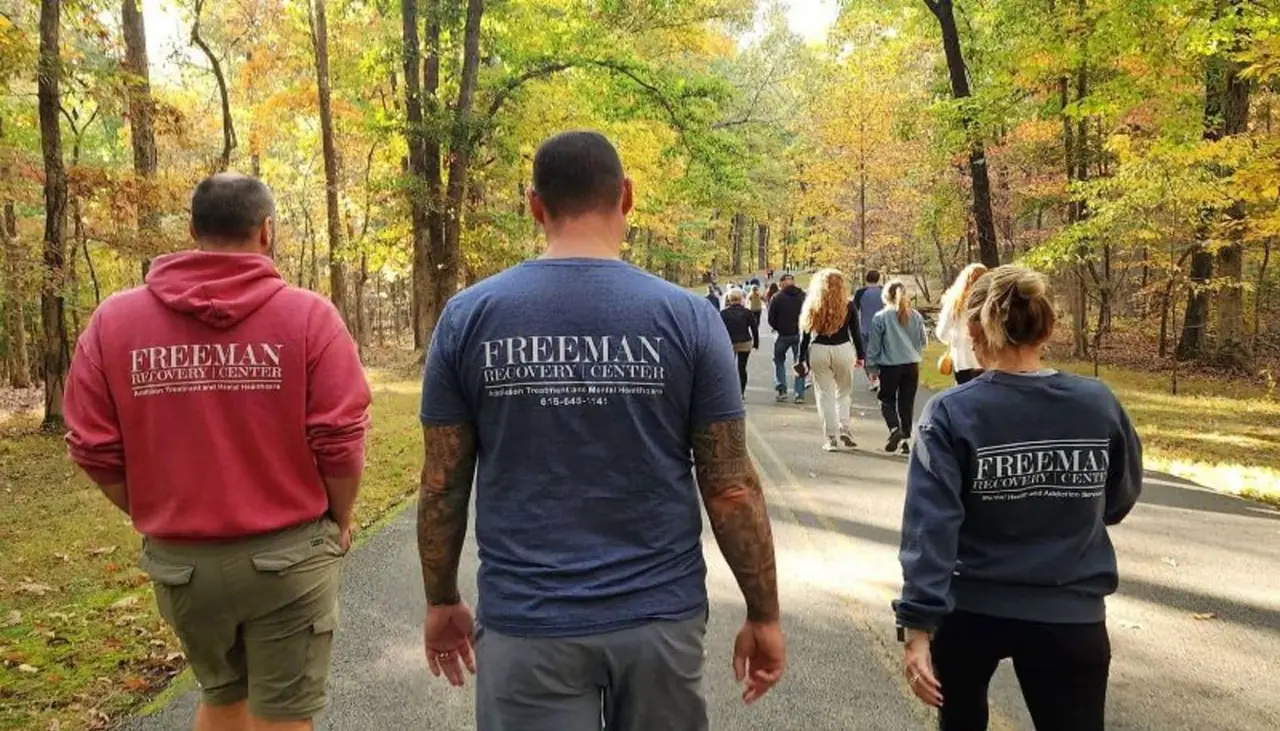
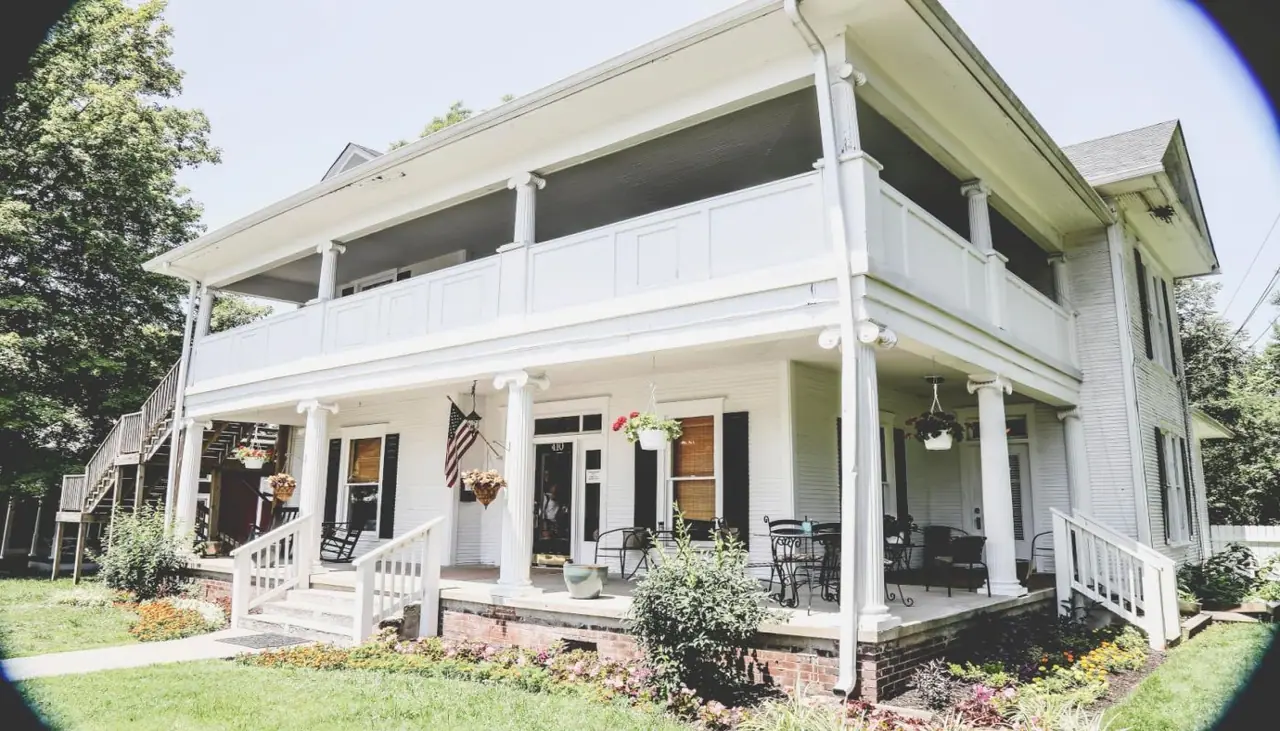
Freeman Recovery Center is a treatment program in Dickson, Tennessee, for people facing a substance use disorder alongside a co-occurring mental health condition. The center describes its purpose as helping someone move past the first part of their story and toward a healthier chapter ahead, and its care structure reflects that aim. Mental health and dependence are treated together under a single plan rather than one issue being handled alone.
The program is organized as a series of connected stages. Someone usually starts with medical detox, transitions into residential care, then steps down through day treatment and intensive outpatient care, with sober living available as part of the sequence. Each stage is built to lead into the next instead of leaving people to manage the transition alone. Same-day admissions are described, and treatment can be delivered in person or virtually.
Approaches combine evidence-based talk therapies with medication-assisted treatment where appropriate, along with mindfulness and experiential activities. The center describes its care as trauma-informed and attentive to cultural and spiritual needs, including a Christian track for those who want it. Families comparing drug rehab centers in Tennessee should ask how these pieces fit together for their particular situation before anyone commits.
Care levels and therapies in Dickson
Detox and co-occurring mental health are the core care options Freeman Recovery Center lists, and a typical program runs about 30 days. If a person needs alcohol detox and mental health support together, a dual diagnosis program is the right level of care. The clinical team uses one-on-one counseling, including sessions with a clinical psychologist, along with rational emotive behavior therapy, trauma-specific therapy, and transcranial magnetic stimulation. Therapy can be done online, and among the center's other listed offerings are acupuncture, cryotherapy, and the Sinclair Method.
The wider continuum includes residential treatment, day treatment, intensive outpatient programming, and sober living, so someone can move between levels as their needs change. Twelve Step participation, Christian programming, and medical and individual treatment approaches all appear in the center's listing. Families comparing rehab centers across Tennessee can ask which level of care fits their relative's diagnosis before scheduling anything.
- The Sinclair Method
- Transcranial Magnetic Stimulation
- 1-on-1 Counseling with Clinical Psychologist
- Acupuncture
- 1-on-1 Counseling
- Rational Emotive Behavior Therapy
- Individual Treatment
- Evidence-Based
- Cryotherapy
- Trauma-Specific Therapy
Who the program is built for in Dickson
- Men and women, including separate men's and women's tracks
- People who are LGBTQ+ and want an affirming setting
- Veterans seeking care that understands their background
- People with mild disabilities who need accommodations
- Adults facing alcohol, benzodiazepine, opioid, cocaine, or other drug dependence
- People dealing with co-occurring conditions like anxiety, bipolar disorder, depression, or personality disorders
Dickson setting and program length
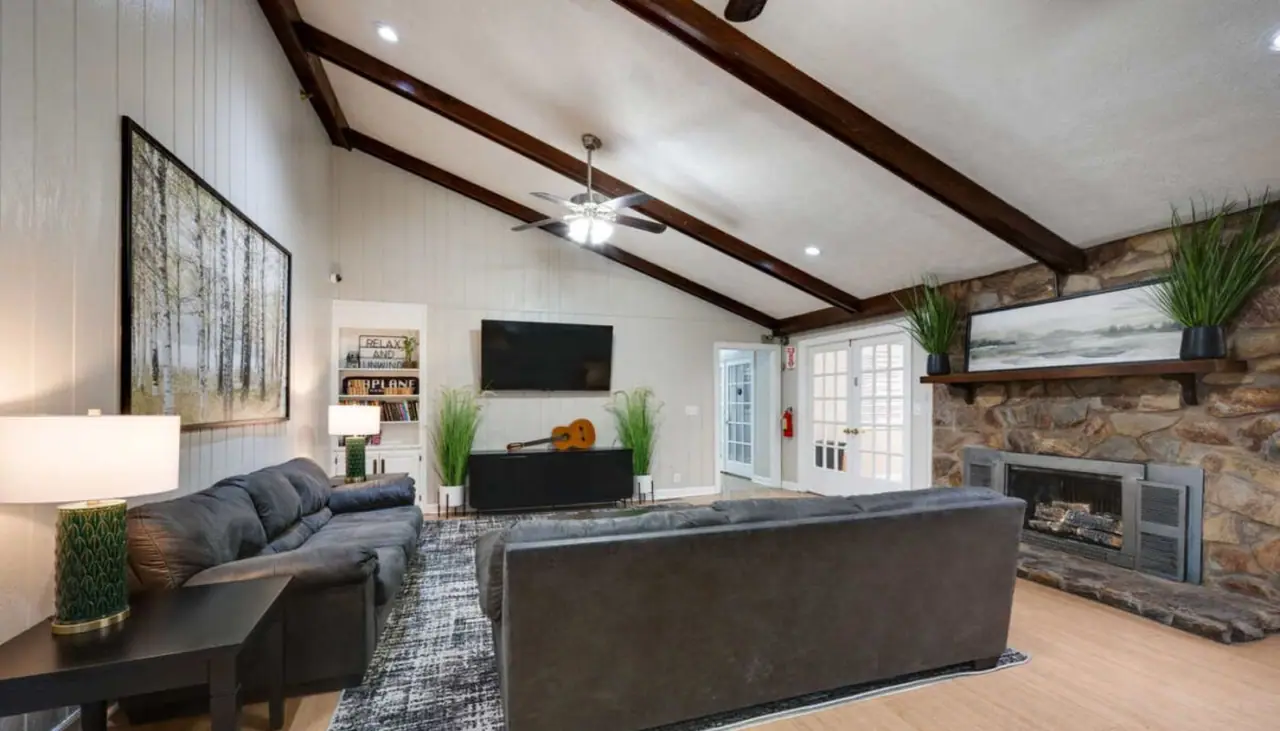
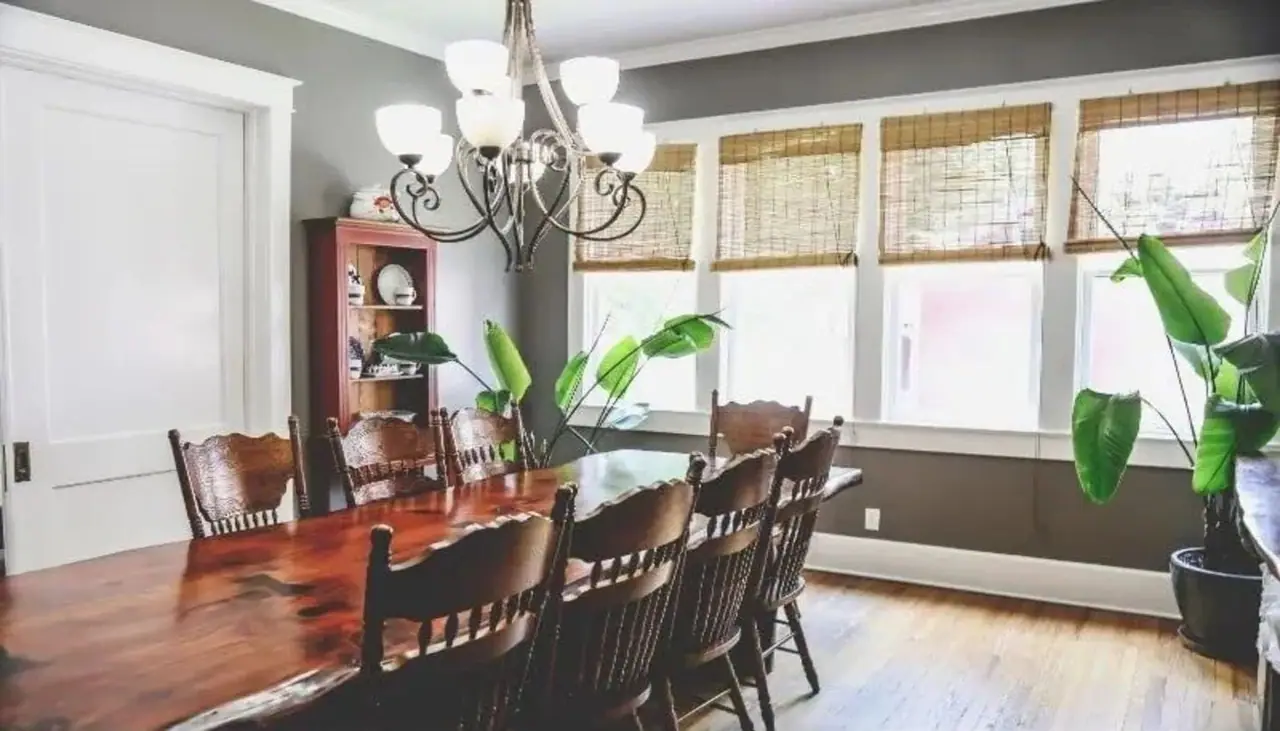
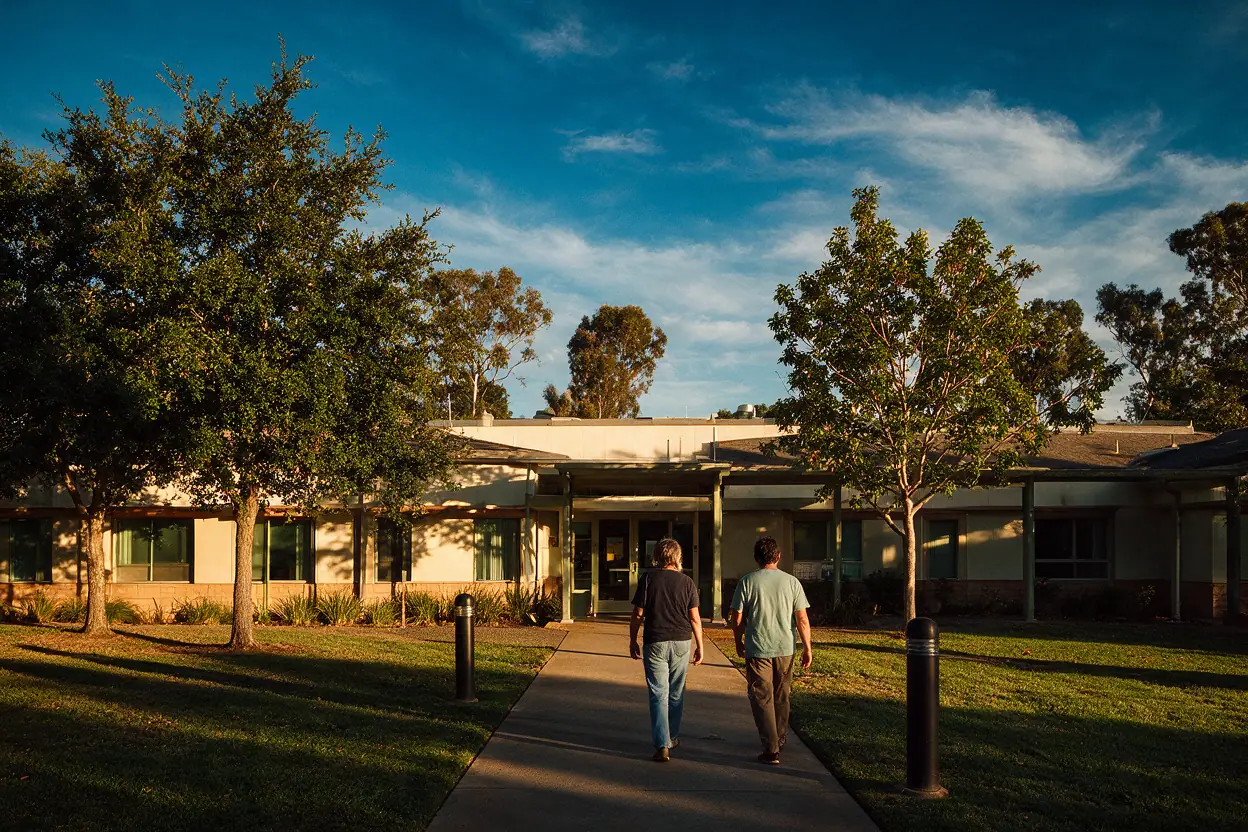
The center says most stays last about 30 days, but how long any one person stays is a clinical decision. If a free rehab option in Tennessee is what you need, ask the helpline which programs take Medicaid or use sliding scales. The residential setting is described as calm, offering shared or private rooms, meals, indoor lounges, a wraparound porch, and green space. Amenities include a fitness center, wellness center, basketball and bocce ball courts, gardens, and walking trails, and activities range from yoga and physical fitness to movies and AA or NA meetings. Cell phones are permitted, rooms have air conditioning, and laundry service and internet access are available. Programming is offered in English.
- Outdoor Lounge
- Gardens
- Wellness Center
- Internet Access
- Access to Nature
- Basketball Court
- Fitness Center
- Bocce Ball Court
Paying for care at Freeman Recovery
Payment options include cash pay rates Freeman Recovery Center lists, and no prices are published on its listing. A trained advisor can help you verify insurance benefits and estimate your out-of-pocket cost when you call the helpline. Calling costs nothing, and an advisor can review what the center's cash rate would be and what your plan might cover. Because the center holds Joint Commission accreditation, you can also ask how to confirm that status directly. The helpline is not a clinic and gives no diagnoses anyone; it connects callers to licensed providers through advisors who answer around the clock, at no cost and with no commitment. Nothing about coverage or admission can be promised in advance.
Questions worth posing before admission
- Which level of care does the clinical team recommend starting with, and why?
- How is detox supervised, and who manages withdrawal symptoms day to day?
- Does my insurance plan cover this center, and what would I owe after benefits apply?
- How does the step-down from residential to outpatient actually work?
- What aftercare is included, such as recovery coaching, family follow-up, or online sessions?

Further options to consider
-
Average stay duration 30+ days6-15 bedsNashville, TN
- Residential Rehab
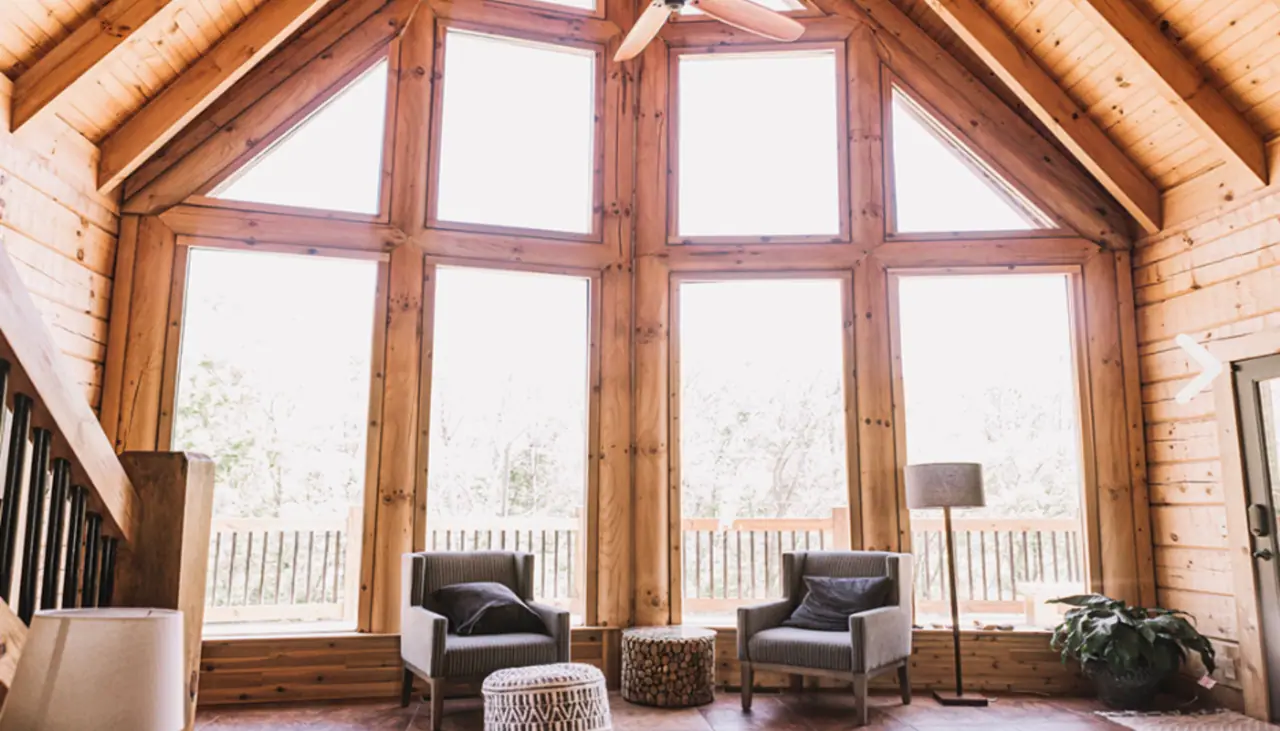
This page explains what Integrative Life Center Men's Nashville offers families.
-
Average stay duration 30+ days31-50 bedsMemphis, TN
- Joint Commission
- Detox
- Co-Occurring Mental Health
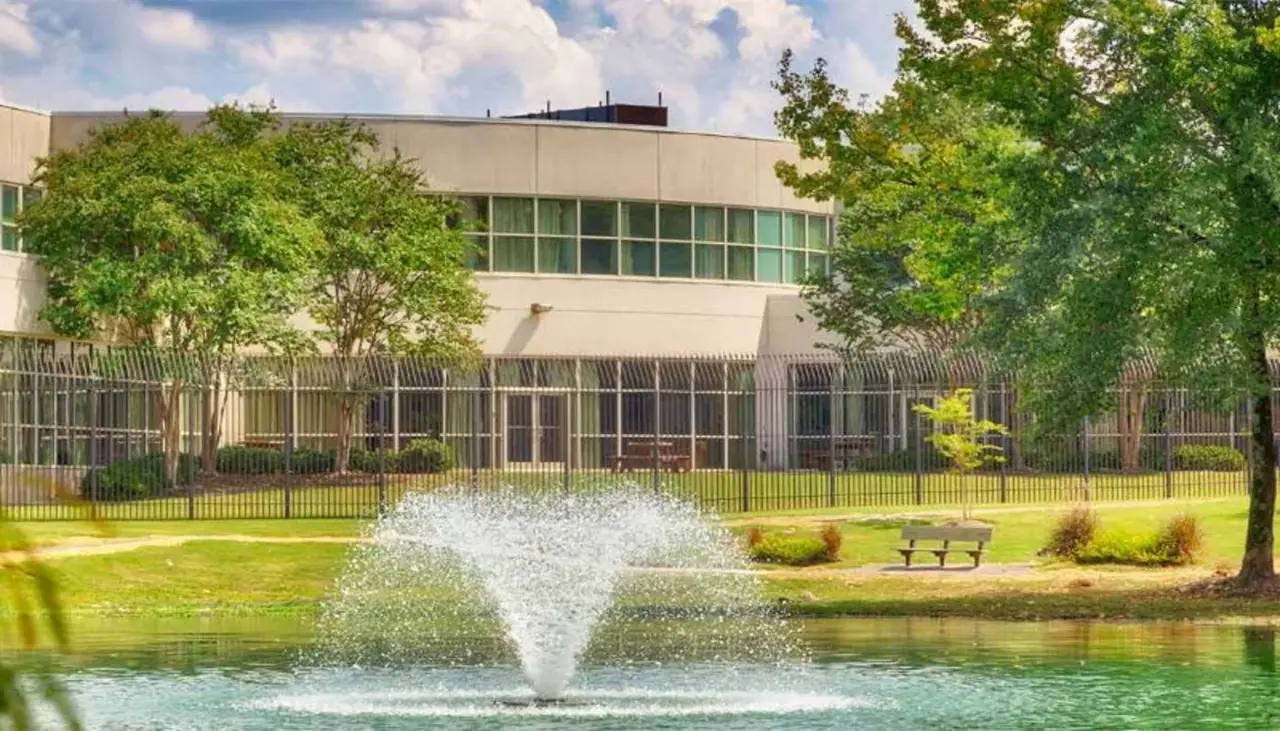
The Oaks at Lakeside Memphis is a Joint Commission-accredited center in East Memphis.
-
Average stay duration 90 daysHendersonville, TN
- Joint Commission
- Detox
- Co-Occurring Mental Health
- Outpatient
Epiphany Tennessee Drug and Alcohol Rehab sits on Anderson Lane North in Hendersonville and is one of 325 SAMHSA-listed facilities across Tennessee.
-
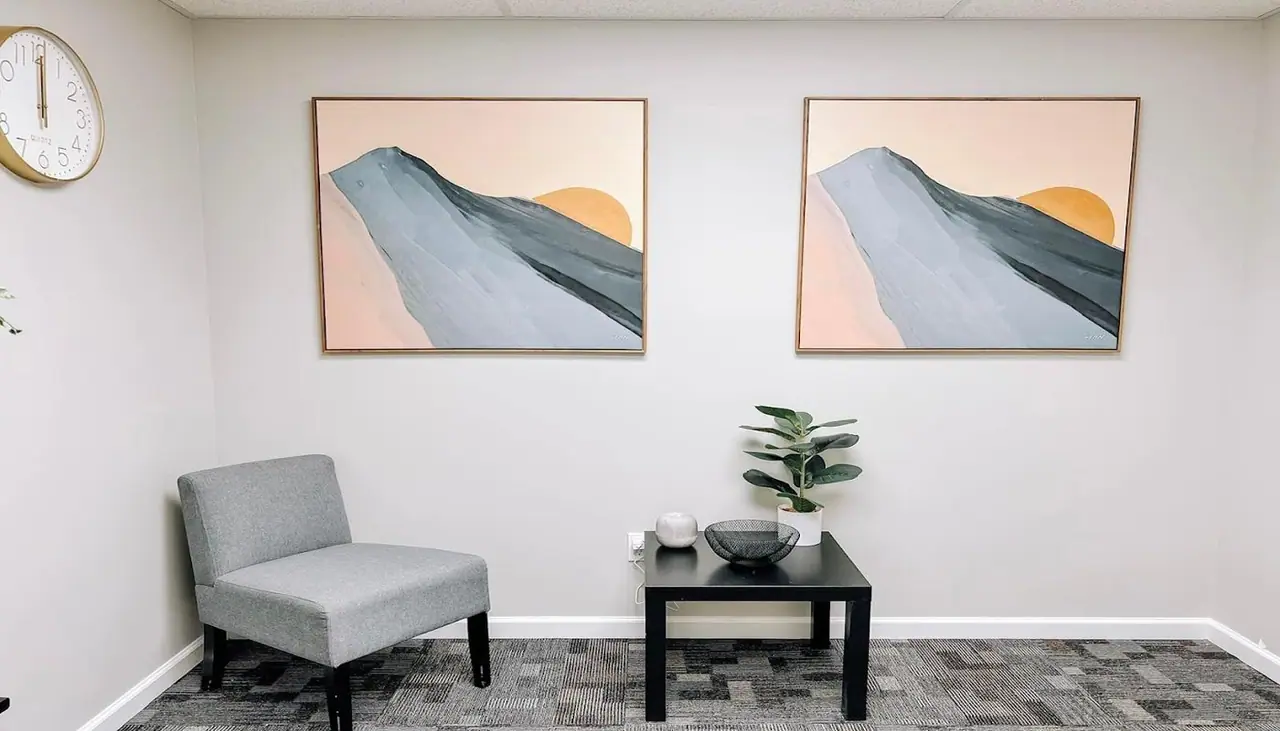
Iris Wellness Group
5.0/513 Google reviews
Average stay duration 30 daysChattanooga, TN
- Co-Occurring Mental Health
- Outpatient
Iris Wellness Group Chattanooga runs an outpatient program located on Mountain Creek Road.
-
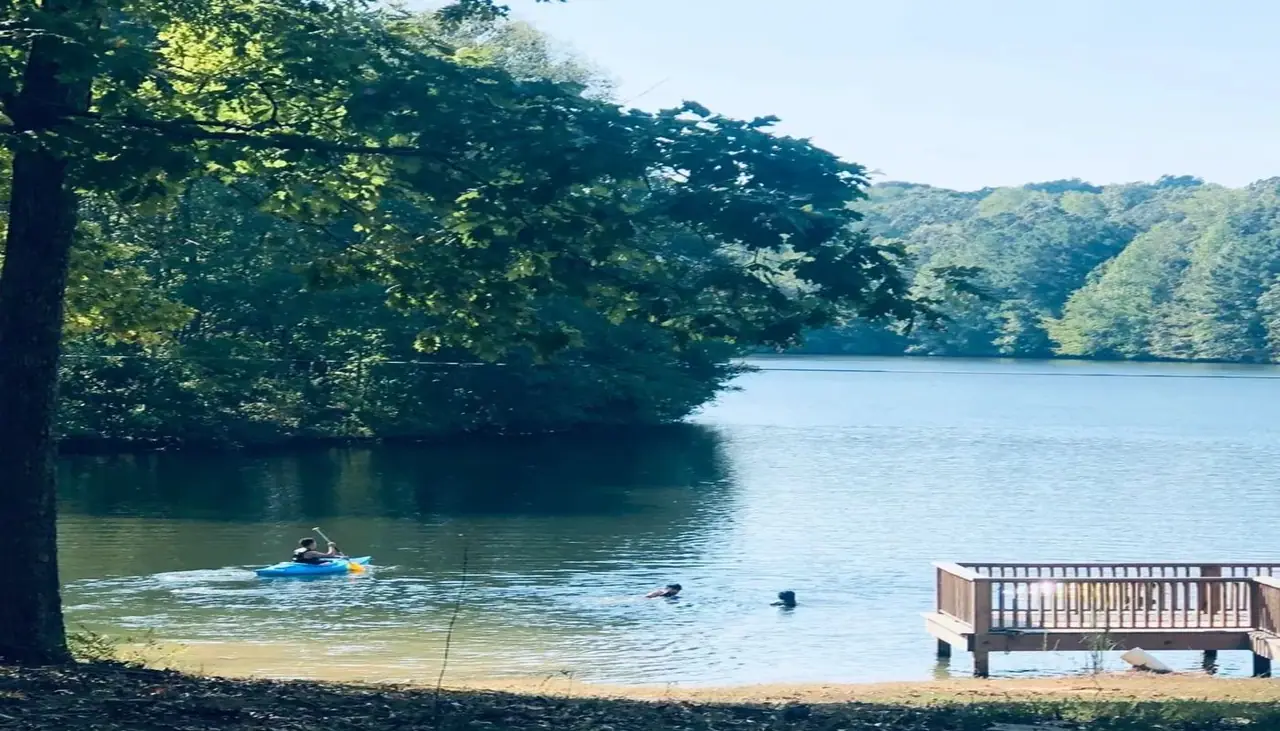
Average stay duration 120 day31-50 bedsPinson, TN
- Joint Commission
- Residential Rehab
- Outpatient
Youth Town Pinson works with teens and their families on a rural campus in Tennessee.
-
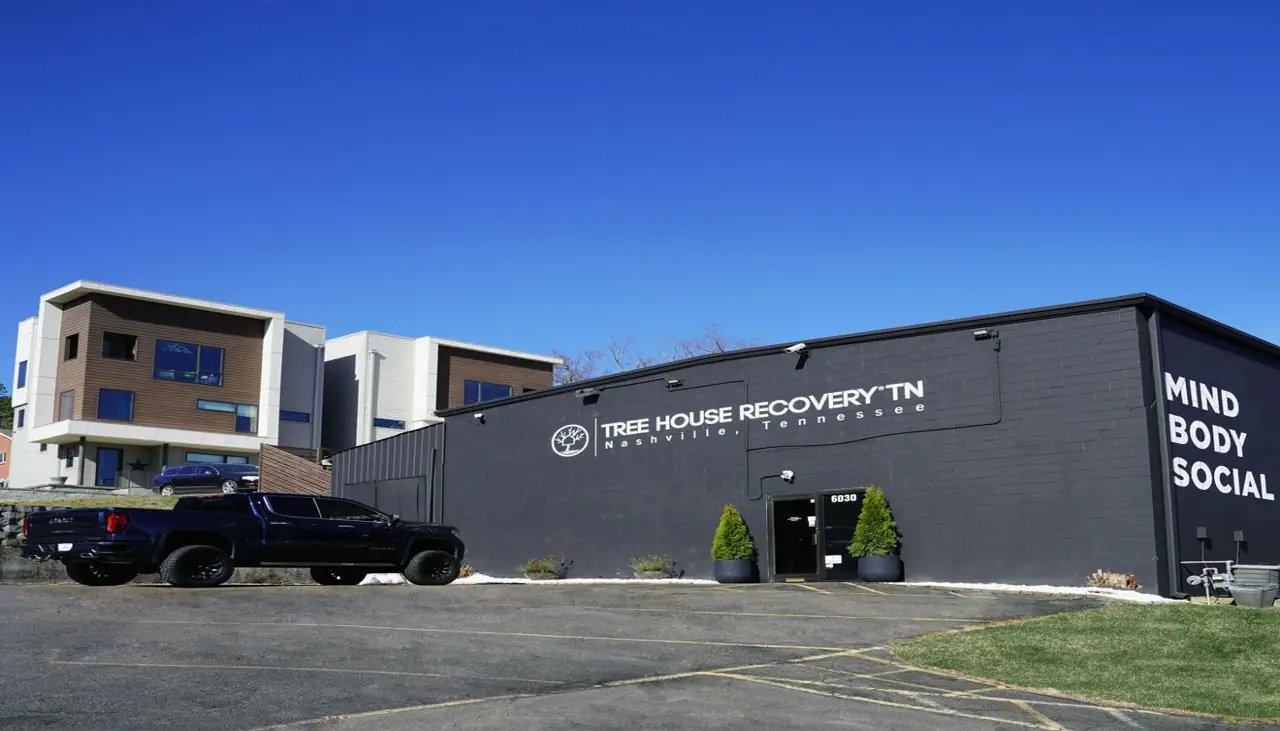
Tree House Recovery TN
4.9/557 Google reviews
Average stay duration 30 daysNashville, TN
- Joint Commission
- Co-Occurring Mental Health
- Outpatient
Tree House Recovery TN Nashville is an outpatient center for substance use along with co-occurring mental health.
Questions people ask
Is Freeman Recovery Center Dickson accredited?
Yes. Freeman Recovery Center holds Joint Commission accreditation and has existed since 2012. That gives you a specific organization to contact if you want to check a program's standing. It does not tell you whether a particular level of care suits your relative, so ask the center directly during the intake call, and let the helpline help you compare options.
What levels of care does Freeman Recovery Center offer?
The center lists mental health needs, detox, and substance use alongside, and its own description outlines a progression from medical detox through residential treatment, day treatment, intensive outpatient, and sober living. A typical stay lasts about 30 days. Because the right level of care depends on the person's withdrawal risk and diagnosis, ask the clinical team to explain their recommendation before you agree to anything. The helpline can help you frame those questions and check availability at no cost.
Does Freeman Recovery Center accept insurance or Medicaid?
The listing shows cash pay rates, and coverage details are not published, so a benefits check is the only reliable way to get an answer. An advisor can help you when you call the helpline confirm what your plan covers and what the center's rate would be. The call is confidential, costs nothing, and does not commit you to treatment. Nothing about coverage or admission can be promised in advance. If Medicaid is on your mind, ask specifically whether the center participates in the state program.
Can family be involved during and after treatment in Dickson?
Follow-up care at this center covers counseling for family members and online sessions afterward, plus recovery coaching, drug testing, and planning to prevent relapse. How much family takes part while someone is in residential care differs from case to case, so ask which visits and phone calls are allowed. When you are setting up care for a spouse or adult child, writing your questions down ahead of time makes the intake call easier. Someone on the helpline can help you ready those questions before you contact the center.
What happens if someone leaves treatment early?
Leaving before completing the recommended program can increase the risk of relapse, especially if detox was not fully managed by a clinician. The center's aftercare planning, including recovery coaching and follow-up sessions, is designed to support people after discharge, but it cannot replace the full course of care. If you are worried someone might leave early, ask the clinical team about their discharge and transition policies during the intake call.