Epiphany Tennessee drug and alcohol Hendersonville
Epiphany Tennessee Drug and Alcohol Rehab sits on Anderson Lane North in Hendersonville and is one of 325 SAMHSA-listed facilities across Tennessee. The center offers outpatient care to people with mental health conditions and substance use needs along with substance use.
- Joint Commission
- Detox
- Co-Occurring Mental Health
- Outpatient
- 90 days
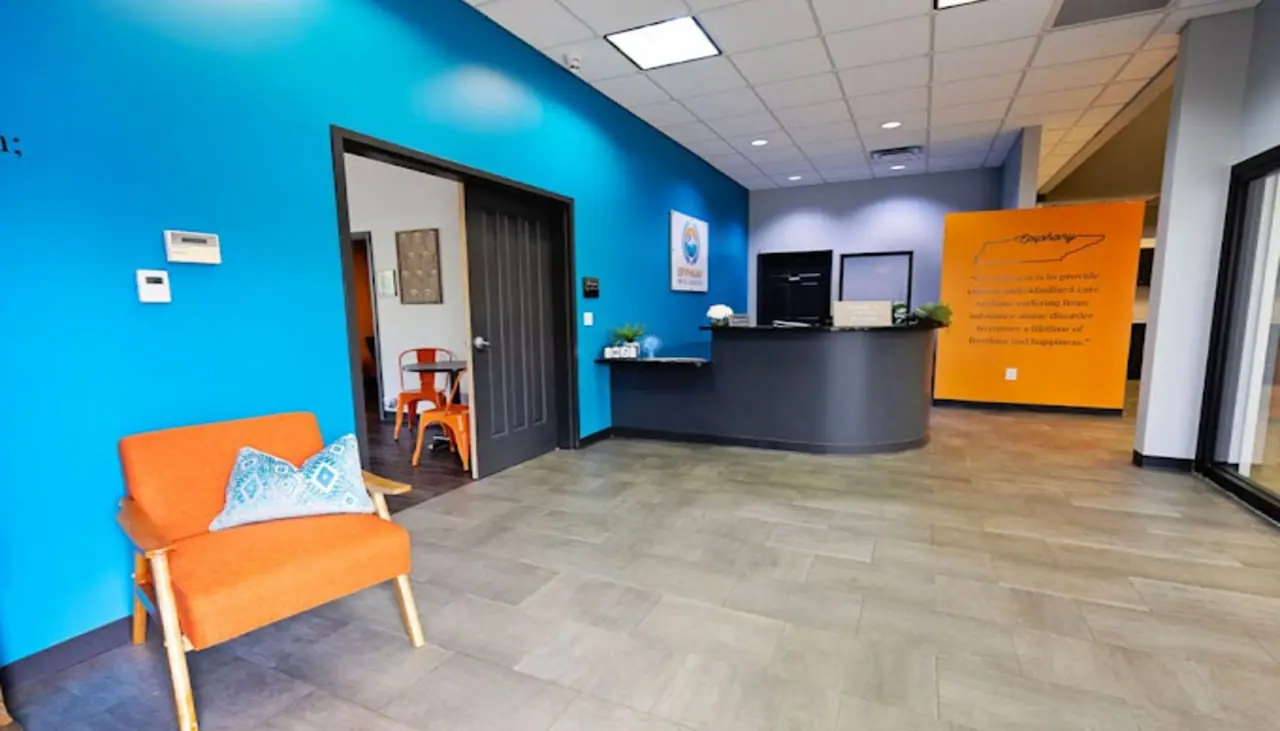
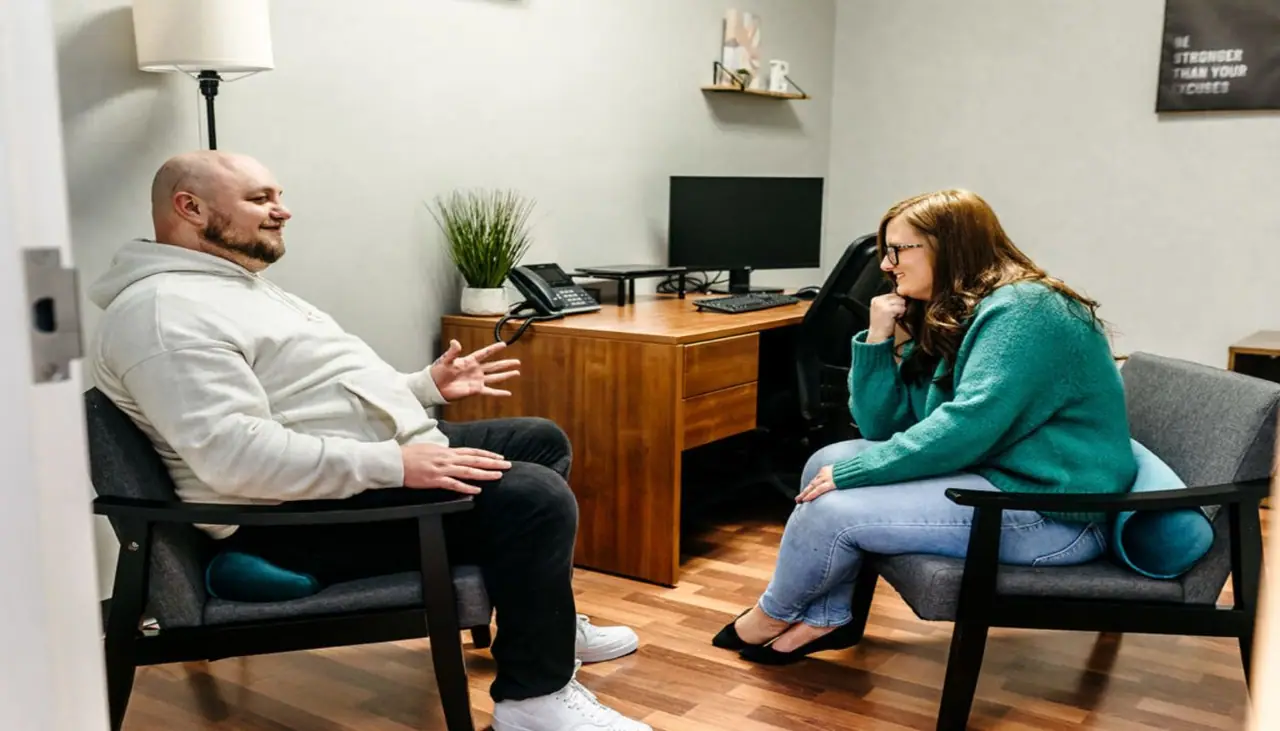
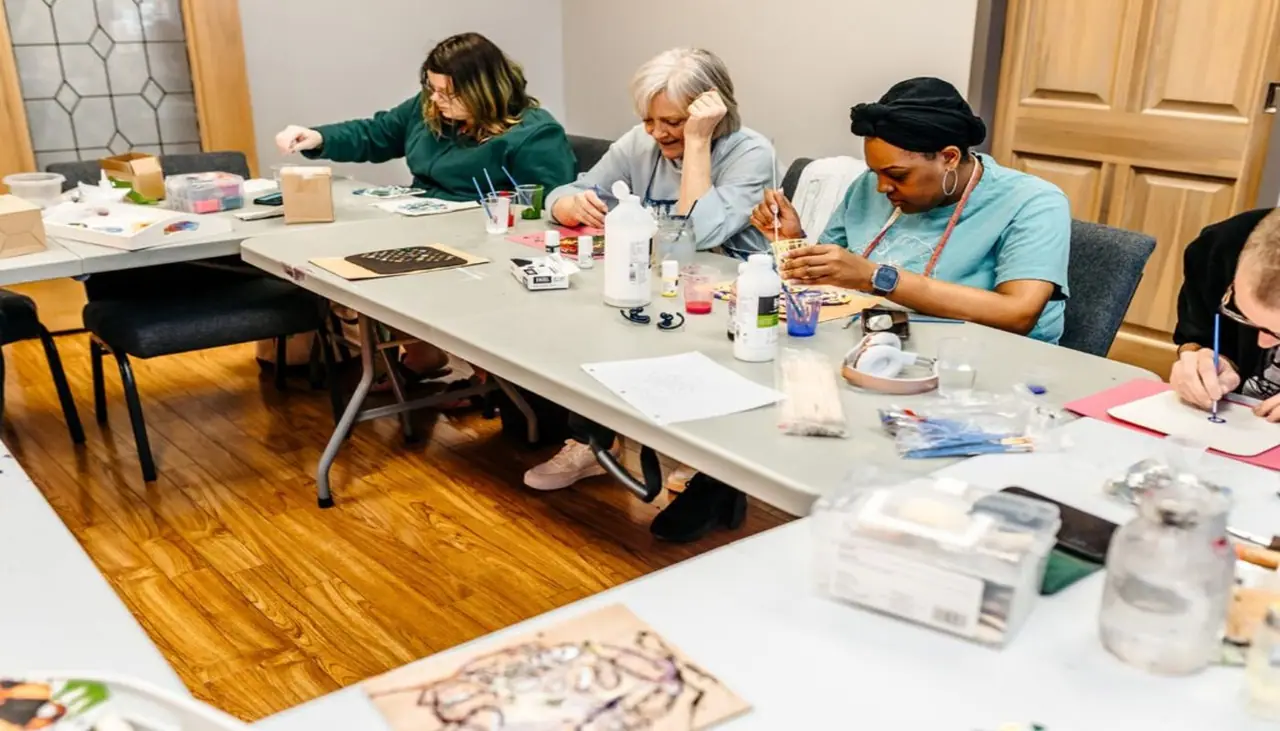
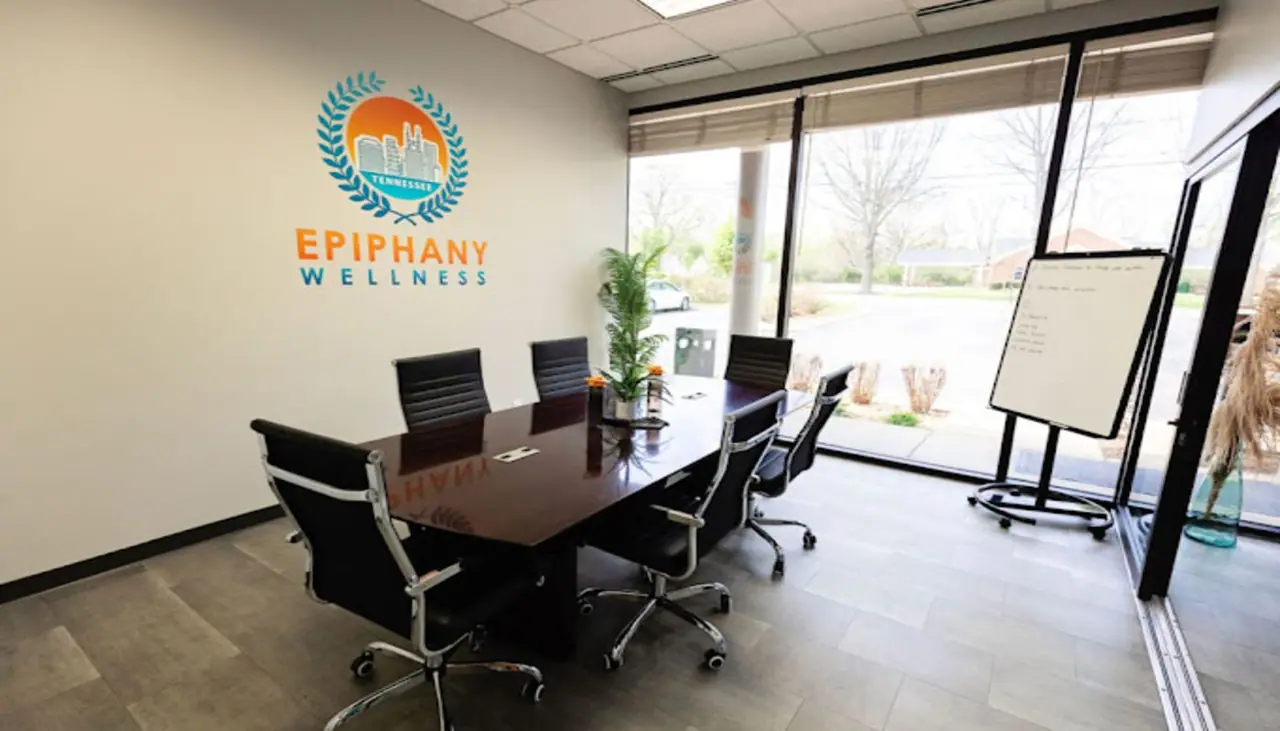
The center is in Hendersonville, close to Highway 386 and the Johnny Cash Parkway. Inside, the outpatient space offers rooms for individual and group sessions, a recreation room, and shared areas that let in plenty of daylight. For families in the Nashville area, the drive is short enough that coming in each week does not mean hours on the road, so someone who wants to remain near home can keep up with regular visits.
According to the center, its care is both holistic and grounded in evidence, and licensed psychotherapists holding master's and doctorate degrees deliver it. Beyond conversation-based therapy, staff draw on creative and experiential approaches, including art therapy and psychodrama for people in Tennessee drug and alcohol treatment, to help participants find language for what they feel. Relatives are included through family therapy, giving them a defined part to play instead of standing by.
Since the program is outpatient, people stay at home or in supportive housing and come in for sessions during the week. Medical detox is not offered on site; if someone needs withdrawal care first, staff refer them to trusted detox providers nearby. If your call concerns a family member who drinks heavily or uses benzodiazepines, a clinician should evaluate whether withdrawal needs medical oversight before outpatient care begins.
Therapies offered at this center
The center uses a step-down model, beginning with day treatment that usually meets five to seven days a week and blends individual, group, and family therapy. Intensive outpatient follows with fewer sessions and some half-day options, then traditional outpatient for people who need continued support. Aftercare and discharge planning are available for graduates. If someone has already completed detox elsewhere, then day treatment can serve as the next structured step. If weekly obligations make full-day attendance hard, then intensive outpatient may fit better, and the clinical team can advise which level is appropriate.
Therapy choices include cognitive behavioral therapy, rational emotive behavior therapy, eye movement desensitization and reprocessing, art therapy, and experiential methods. Groups are gender-specific at every level of care, and medication-assisted treatment is available for alcohol and opioid use. Holistic options at this Tennessee drug rehab center include yoga, aromatherapy, drum circles, and sound bowl therapy, along with psychoeducation that helps people see their own patterns. Family involvement is part of the program, and Tennessee dual diagnosis treatment here pairs mental health care with substance use care in a single plan instead of two separate tracks.
- Expressive Arts
- Medical
- Holistic
- Gender-Specific
- Experiential Therapy
- Aromatherapy
- Family Involvement
- Eye Movement Therapy (EMDR)
- 1-on-1 Counseling
- Evidence-Based
Who should consider this program
- Adults with alcohol use disorder who want outpatient structure rather than 24-hour care
- People with opioid use disorder who might benefit from medication-assisted treatment
- Men and women living with co-occurring conditions for example depression bipolar disorder anxiety, or PTSD
- Individuals who have finished detox elsewhere and need a next step
- Family members seeking a program that includes them in therapy
Setting, length, and languages
Most people stay about 90 days, moving through levels as their needs change. The center started in 2021 and has Joint Commission accreditation, a detail worth checking when comparing programs. Common areas have coffee and tea, and a recreation room gives people downtime between sessions. Services are offered in english and men and women both are treated. If you are comparing rehabs in Tennessee, an outpatient center with Joint Commission accreditation like this one gives you a concrete quality marker to ask about.
Covering costs at this facility
Self-pay pricing is a payment option. Insurance and Medicaid coverage are not listed here, so it is worthwhile to call and ask what your plan covers before you commit. If your plan includes outpatient behavioral health benefits, confirming coverage ahead of time can prevent surprises. An advisor can check availability and coverage for you at no cost, and the conversation remains private. When you call about Tennessee drug rehab center costs, ask specifically which levels of care your plan covers.
Good questions for this center
- Which level of care would the clinical team suggest for my circumstances, and how often would sessions take place?
- Will my insurance be accepted by the center, and under the cash pay rates what would I owe out of pocket?
- How does the referral to a local detox provider work if withdrawal becomes a concern?
- What does family involvement look like in practice, and how often are family sessions held?
- What aftercare and discharge planning are available when the 90-day program ends?


Further options to consider
-

Average stay duration 30+ days6-15 bedsNashville, TN
- Residential Rehab
This page explains what Integrative Life Center Men's Nashville offers families.
-
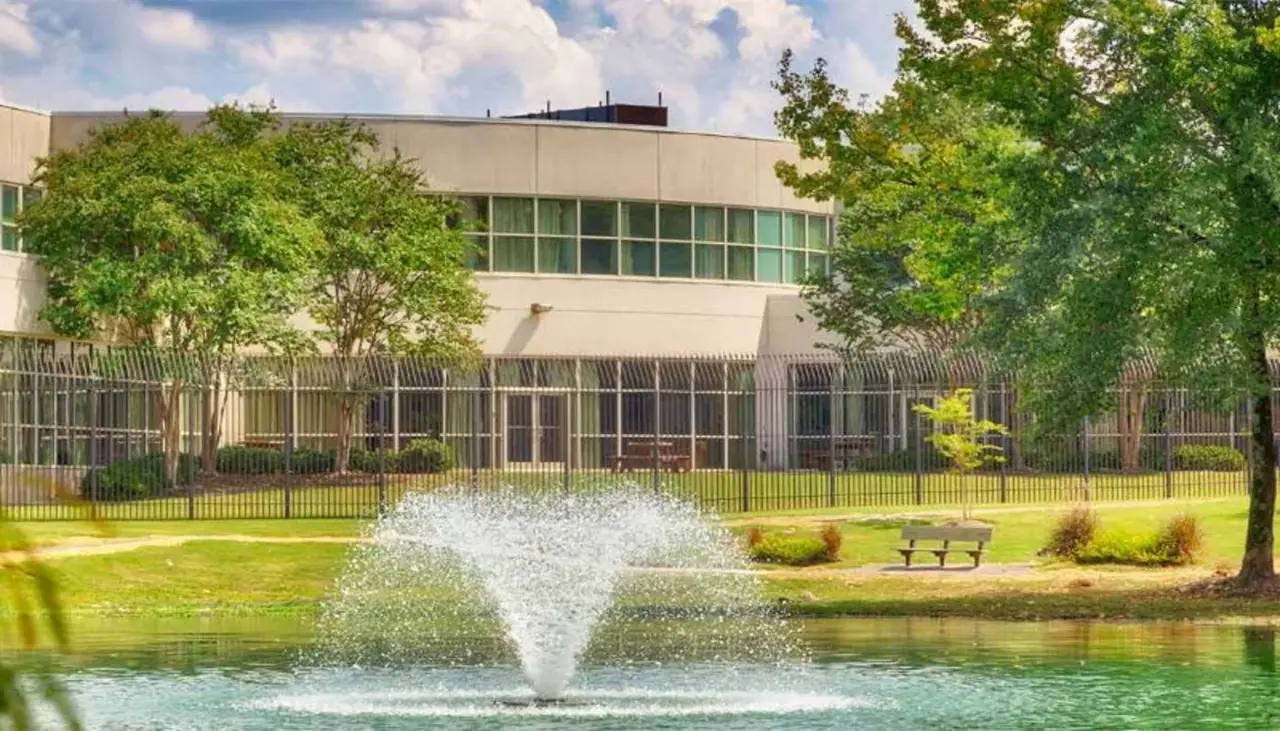
Average stay duration 30+ days31-50 bedsMemphis, TN
- Joint Commission
- Detox
- Co-Occurring Mental Health
The Oaks at Lakeside Memphis is a Joint Commission-accredited center in East Memphis.
-
Iris Wellness Group
5.0/513 Google reviews
Average stay duration 30 daysChattanooga, TN
- Co-Occurring Mental Health
- Outpatient
Iris Wellness Group Chattanooga runs an outpatient program located on Mountain Creek Road.
-

Average stay duration 120 day31-50 bedsPinson, TN
- Joint Commission
- Residential Rehab
- Outpatient
Youth Town Pinson works with teens and their families on a rural campus in Tennessee.
-
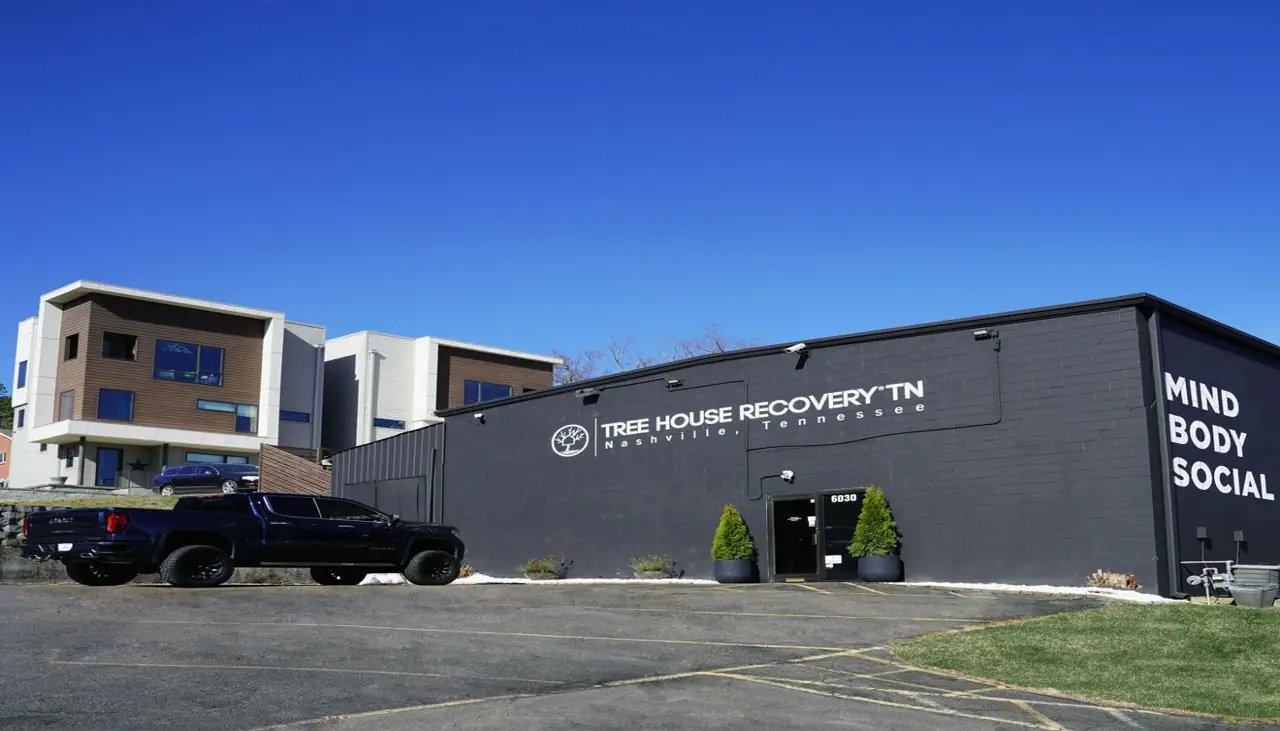
Tree House Recovery TN
4.9/557 Google reviews
Average stay duration 30 daysNashville, TN
- Joint Commission
- Co-Occurring Mental Health
- Outpatient
Tree House Recovery TN Nashville is an outpatient center for substance use along with co-occurring mental health.
-

Cumberland Heights Nashville
4.6/5232 Google reviews
Average stay duration 30+ daysNashville, TN
- Joint Commission
- Detox
- Co-Occurring Mental Health
- Outpatient
Cumberland Heights Nashville is a nonprofit rehab in Tennessee on River Road Pike.

Questions people ask
Does Epiphany Tennessee drug and alcohol Hendersonville provide detox?
No, the center does not offer medical detox on site; it refers clients to trusted local detox providers before treatment starts. That matters because withdrawal from alcohol and benzodiazepines can be medically dangerous and should be guided by clinical supervision. An advisor on the helpline is able to help you think through the next step at no cost if uncertain whether detox is required. If withdrawal risk is high, then starting with a detox referral is safer than beginning outpatient care directly.
Which levels of care does this Hendersonville center offer?
Levels of care run from day treatment through intensive outpatient and traditional outpatient to aftercare, and people move to a lower level as they make progress. Day treatment carries the most structure, usually five to seven days each week, and brings together individual, group, and family sessions. Many people stay roughly 90 days, although the plan is shaped around the individual. When someone can manage only a handful of sessions weekly, it is worth asking the team if intensive outpatient would suit them better as an entry point.
Does Epiphany accept insurance or Medicaid?
Self-pay pricing, and insurance or Medicaid coverage is not published. Tennessee's Medicaid program may cover some outpatient services, but that would need to be confirmed with the center. If you rely on Medicaid, then ask before scheduling an intake so you know what is covered. At no charge and with no commitment, the helpline can assist you in checking availability and what your plan covers.
What therapies does the program use for mental health needs alongside substance use?
Approaches at the center include cognitive behavioral therapy, rational emotive behavior therapy, EMDR, art therapy, and others, with gender-specific groups at every level. Conditions such as depression, anxiety, bipolar disorder, and PTSD are treated alongside substance use. If both mental health and substance use are present, then an integrated plan matters more than two separate tracks. Ask how the team coordinates behavioral health and addiction care.
How long do people commonly stay at this center?
Most people remain in treatment for around 90 days, and changes between levels depend on how the person is responding. Day treatment is the most structured option, and from there people commonly move down to intensive outpatient, then traditional outpatient, before aftercare. When things move more slowly than hoped, the plan may be lengthened. When someone settles quickly, the team might shift them to a lighter level of care earlier. Our helpline is there to help you find out what openings exist right now.