Rehabs Tennessee guide
You want help for someone you love. Rehabs Tennessee lists 325 facilities on SAMHSA FindTreatment.gov at November 2026. This guide covers the options, the costs, and how to call.

Finding rehab near you in Tennessee
Facilities are spread across the state: Nashville has 27, Memphis 24, Knoxville 23, Chattanooga 16, Johnson City 14, Jackson 12, Kingsport 8, and Cookeville 7. In Nashville, 27 facilities offer services ranging from detox to outpatient. Memphis has 24, and Knoxville 23. Rural areas may have fewer options, but telehealth is available at 280 facilities across Tennessee. This can connect you to care from home. If you live in a smaller town, then looking at nearby cities like Jackson or Cookeville can expand your choices. Always confirm the facility's location and services before visiting.


Substances treated and medications
Alcohol is a primary focus: 169 facilities offer FDA-approved medications for alcohol use disorder. Opioids are also a major concern, with 197 facilities providing buprenorphine and 197 offering naltrexone. For alcohol use disorder, 169 Tennessee facilities offer medications like naltrexone or acamprosate. If you are concerned about alcohol withdrawal, then medical supervision is important because it can be dangerous. Benzodiazepine withdrawal also requires medical oversight. Tennessee dual diagnosis treatment at many centers addresses both mental health and substance use. Methadone is available at 14 clinics, while buprenorphine is offered at 197 locations. Always consult a doctor before starting or stopping any medication.
Paying for rehab in Tennessee
Cost is a common concern, but options exist: 252 facilities accept Medicaid, 255 accept private insurance, and 122 offer sliding-scale fees. For Tennessee families, 252 facilities accept Medicaid, though the state has not expanded eligibility. Medicaid expansion was not adopted as of October 2026, according to KFF. This means many low-income adults may not qualify for Medicaid. However, 200 facilities accept block grant funding, and 79 offer financial assistance. If cost is a barrier, then 122 sliding-scale facilities in Tennessee adjust fees based on income. Additionally, 8 facilities provide free care. Tennessee drug rehabs at 310 accept self-pay, and 178 accept Medicare. Always ask about all payment options when calling a facility.
If you have private insurance, federal parity law requires substance use treatment to be covered equally. That can ease the cost. For people without insurance, 8 free rehab centers across Tennessee offer care at no charge. When you call a facility, ask about sliding scale fees and payment plans. The helpline can also check what your plan covers.
- take Medicaid
- 252
- take private insurance
- 255
- take Medicare
- 178
- have a sliding-scale fee
- 122
Frequently chosen programs near Tennessee
-
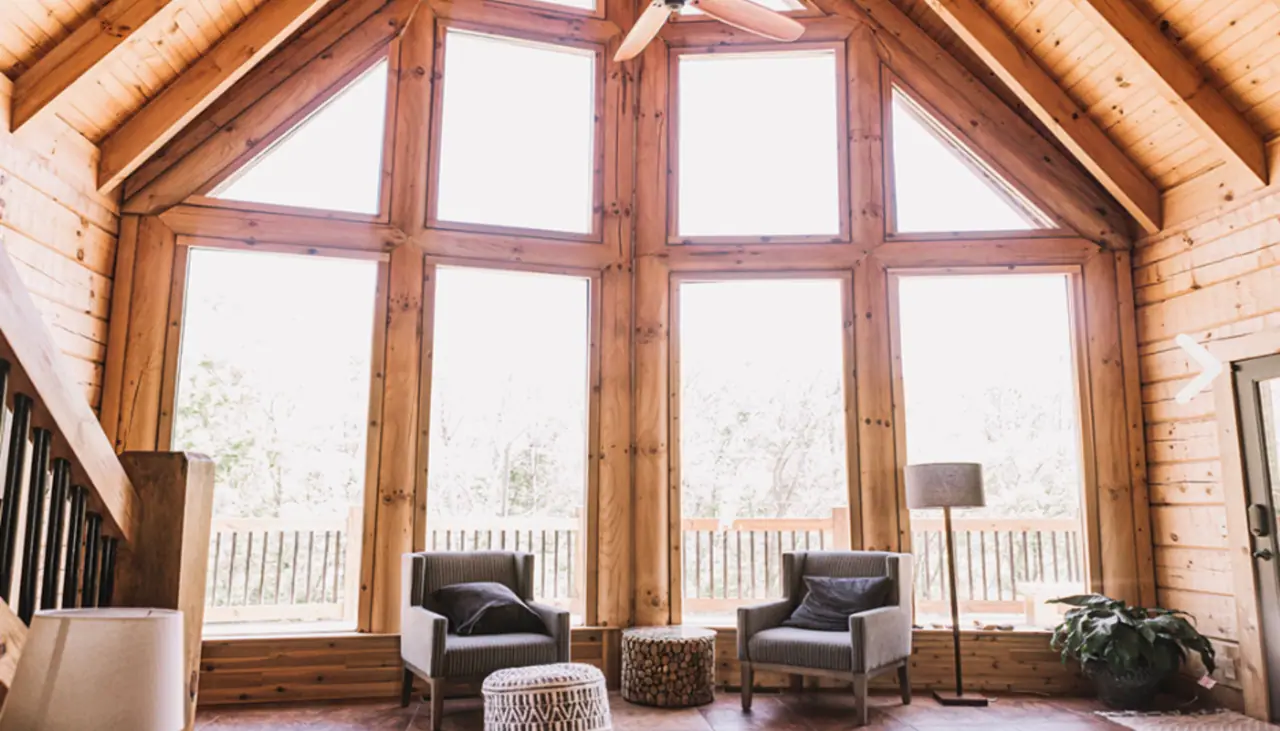
Average stay duration 30+ days6-15 bedsNashville, TN
- Residential Rehab
This page explains what Integrative Life Center Men's Nashville offers families.
-
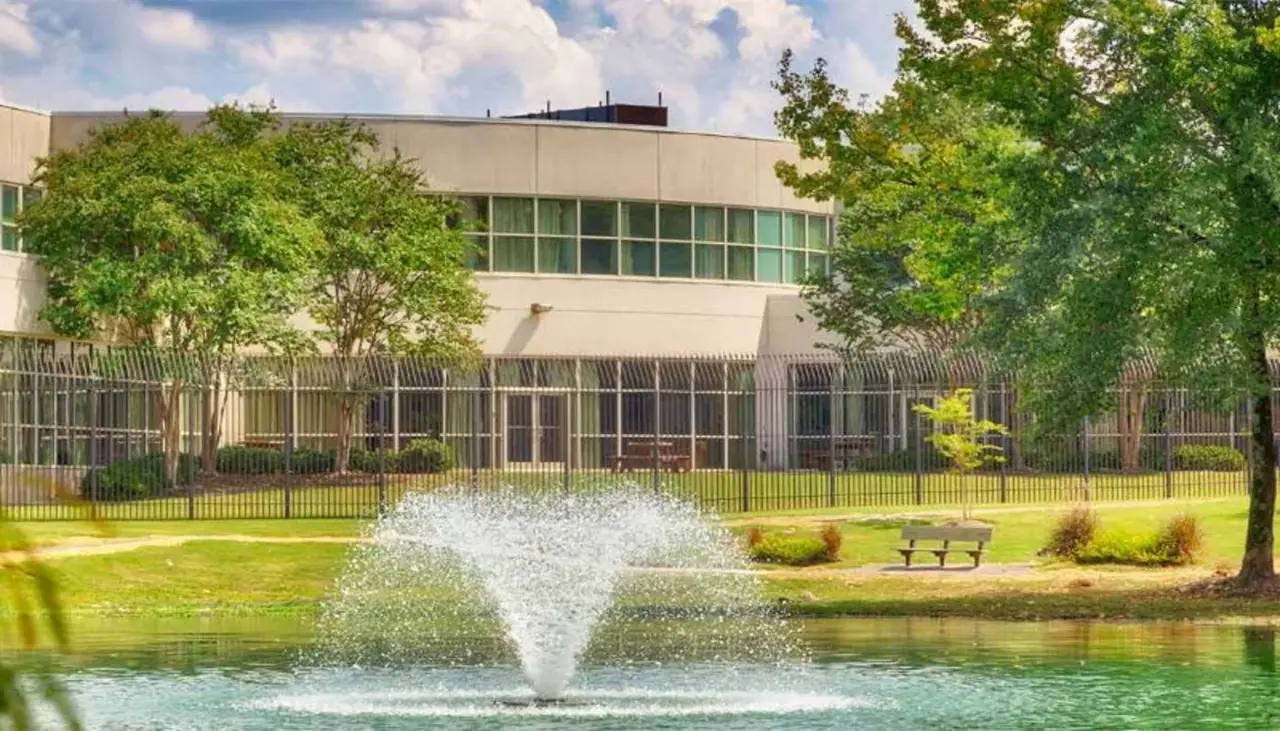
Average stay duration 30+ days31-50 bedsMemphis, TN
- Joint Commission
- Detox
- Co-Occurring Mental Health
The Oaks at Lakeside Memphis is a Joint Commission-accredited center in East Memphis.
-
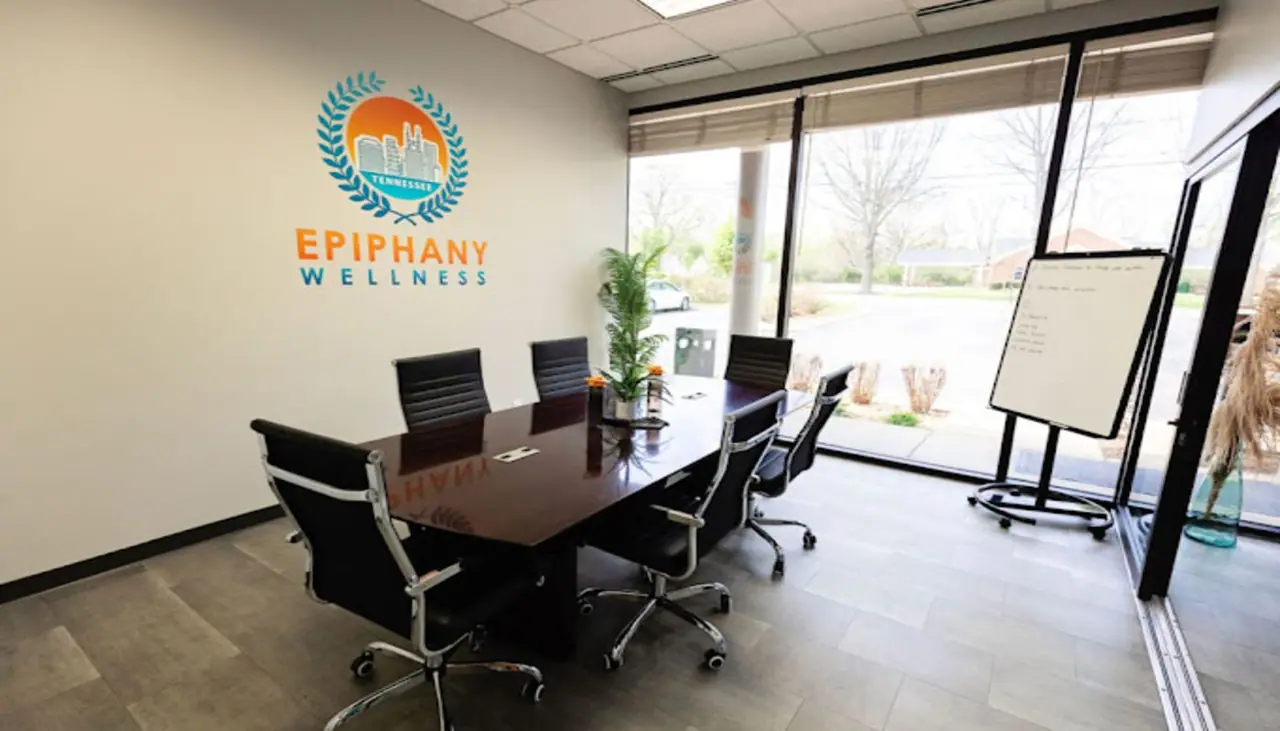
Average stay duration 90 daysHendersonville, TN
- Joint Commission
- Detox
- Co-Occurring Mental Health
- Outpatient
Epiphany Tennessee Drug and Alcohol Rehab sits on Anderson Lane North in Hendersonville and is one of 325 SAMHSA-listed facilities across Tennessee.
-
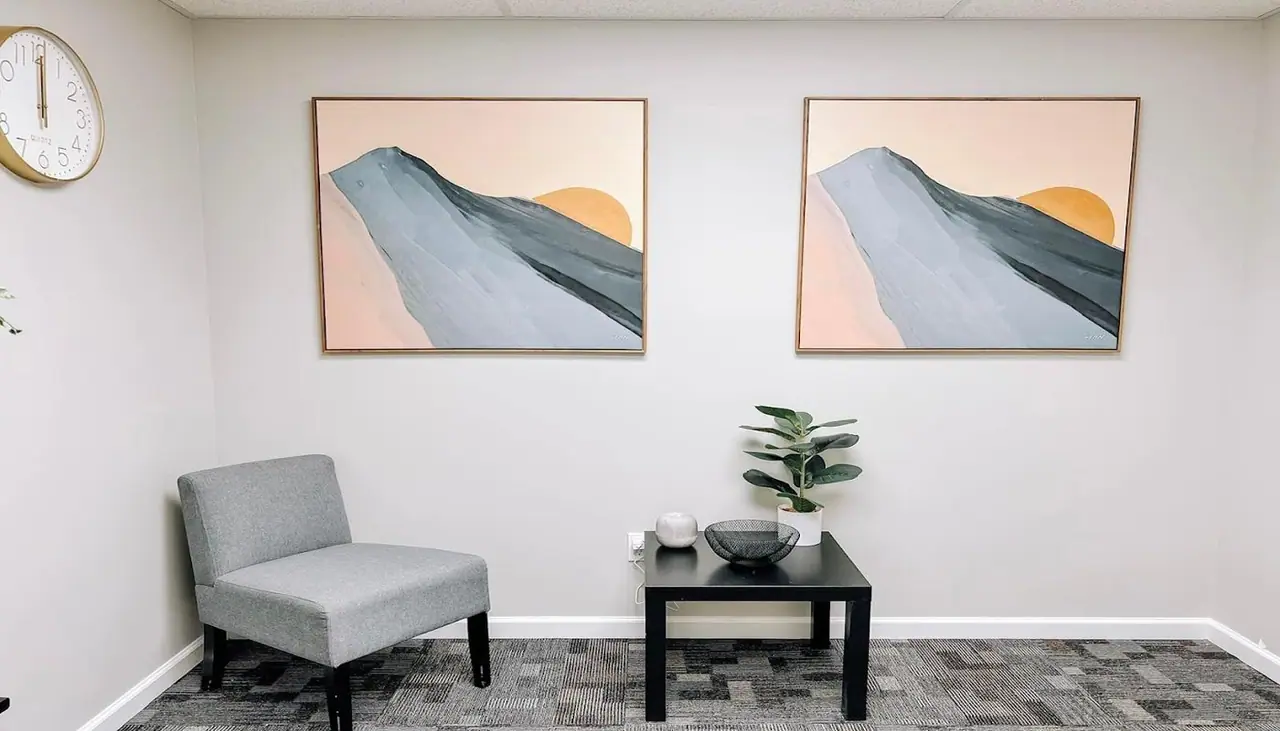
Iris Wellness Group
5.0/513 Google reviews
Average stay duration 30 daysChattanooga, TN
- Co-Occurring Mental Health
- Outpatient
Iris Wellness Group Chattanooga runs an outpatient program located on Mountain Creek Road.
-

Average stay duration 120 day31-50 bedsPinson, TN
- Joint Commission
- Residential Rehab
- Outpatient
Youth Town Pinson works with teens and their families on a rural campus in Tennessee.
-
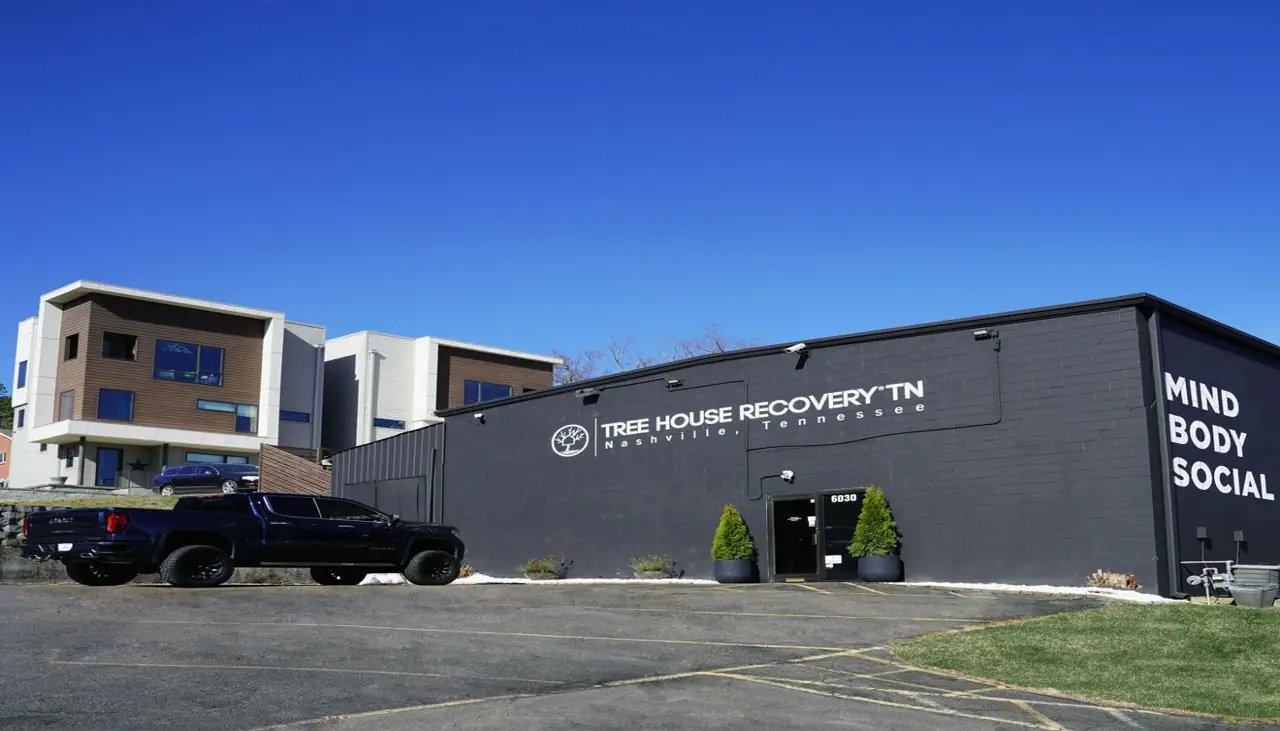
Tree House Recovery TN
4.9/557 Google reviews
Average stay duration 30 daysNashville, TN
- Joint Commission
- Co-Occurring Mental Health
- Outpatient
Tree House Recovery TN Nashville is an outpatient center for substance use along with co-occurring mental health.
-

Cumberland Heights Nashville
4.6/5232 Google reviews
Average stay duration 30+ daysNashville, TN
- Joint Commission
- Detox
- Co-Occurring Mental Health
- Outpatient
Cumberland Heights Nashville is a nonprofit rehab in Tennessee on River Road Pike.
-
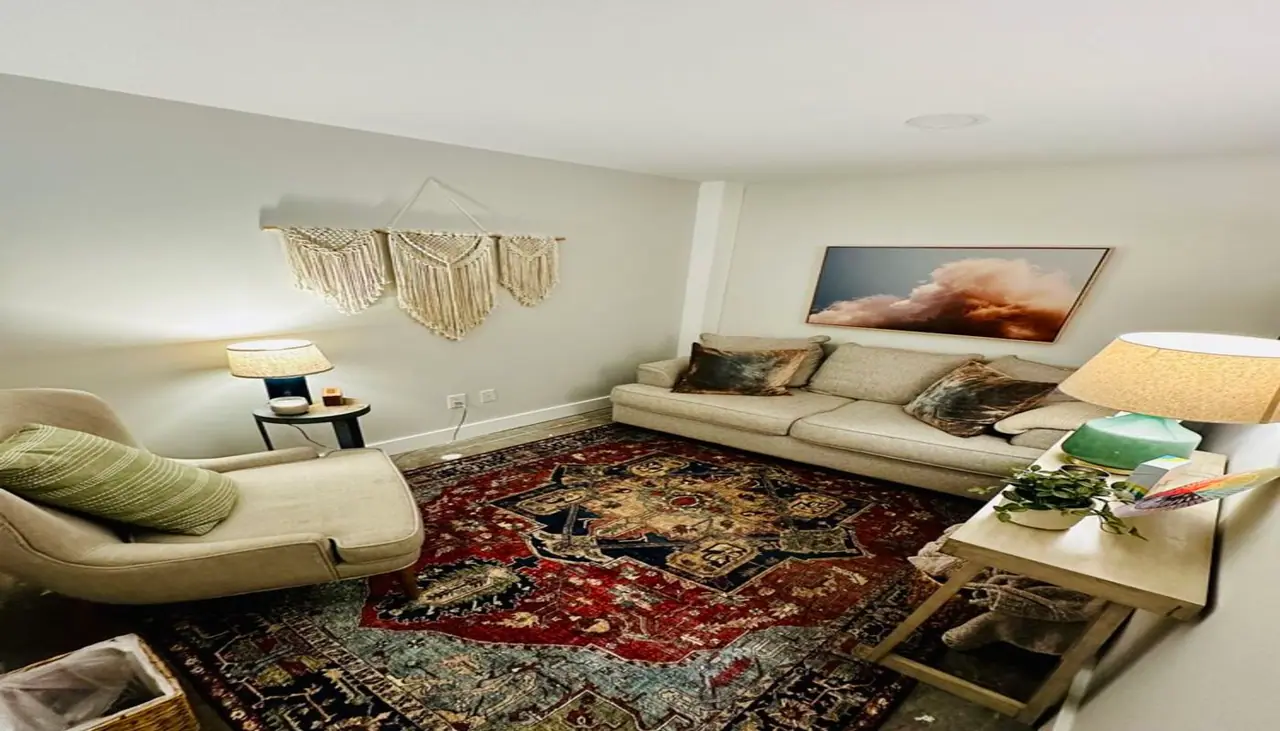
Average stay duration 30 dayNashville, TN
- Co-Occurring Mental Health
Psychobabble is a counseling practice in Nashville, independently owned, with one-on-one sessions.
-
Average stay duration 30 daysMemphis, TN
- Co-Occurring Mental Health
- Residential Rehab
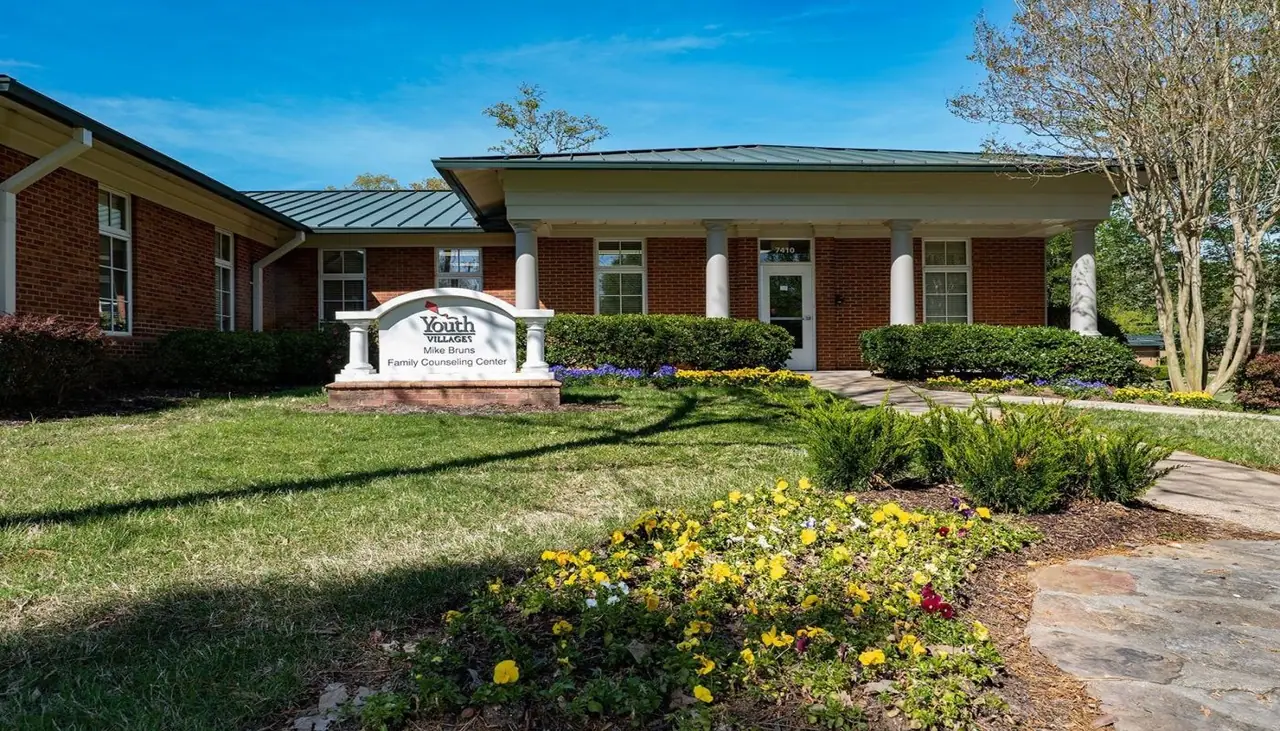
Youth Villages Memphis serves young people at a Bartlett campus with residential care.
Tennessee overdose data
Provisional CDC data show 1,961 overdose deaths across the 12 months ending May 2026 16% decrease from the previous period. Tennessee saw 1,961 overdose deaths within the 12 months ending May 2026, down 16% from the prior period. Opioid deaths accounted for 1,285, a 22% decrease. Fentanyl-related deaths dropped 27% to 1,092, but still represent a significant loss. Methamphetamine deaths were 820, down 13%, and cocaine deaths 534, down 8%. Prescription opioid deaths rose 8% to 249. While the decline is encouraging, 1,961 deaths mean many families are still affected. If you know someone struggling, then connecting them to treatment can help prevent overdose. These figures show progress but also the need for continued access to care.
| Drug | Past year | Prior year | Shift |
|---|---|---|---|
| Every kind of drug overdose | 1,961 | 2,337 | -16% |
| Opioid-related | 1,285 | 1,646 | -22% |
| Fentanyl and other lab-made opioids | 1,092 | 1,491 | -27% |
| Heroin overdose | 15 | 33 | -55% |
| Opioid painkillers by prescription | 249 | 231 | +8% |
| Meth overdose | 820 | 940 | -13% |
| Cocaine | 534 | 582 | -8% |
CDC provisional figures, 12 months ending May 2026. Newer months can climb as reports arrive.

What occurs when the helpline answers
When you call, a trained treatment advisor picks up, so no recording greets you. The helpline is free to reach, private, and available 24/7, with nothing requiring you to enter treatment. The advisor asks how much the person is using, what insurance they have, and where in the state they live so they can suggest options. If you are unsure what to say, the advisor can walk you through the conversation. You can ask about withdrawal symptoms and any history of mental health conditions. For Tennessee callers, the advisor can see which of the 325 facilities match your needs. All calls are confidential, and you may stay anonymous if you prefer. The purpose is information and support, never pressure. You can call back any time you need to.
Levels of care in Tennessee
Tennessee has levels of care that range from medical detox at 52 facilities to outpatient rehab at 304. The right level depends on the person's needs and medical history. Tennessee detox programs at 52 locations provide 24/7 medical monitoring during withdrawal. Inpatient and residential rehab at 51 facilities offer structured care around the clock. For daily structure without overnight stays, 43 Tennessee PHP programs offer intensive daytime treatment. Intensive outpatient (IOP) is available at 163 sites for step-down support. Outpatient rehab is the most common, with 304 facilities offering flexible scheduling. Medication to treat opioid use disorder is provided at 197 locations, and 14 methadone clinics (OTPs) operate statewide.
When the appropriate intensity of care is not clear, calling the helpline can help you sort through choices based on your insurance and where you live. In Tennessee, 43 IOP programs allow people to stay home while attending several sessions weekly. If the home setting is not safe, a higher level such as residential may be suggested. With outpatient rehab at 304 Tennessee centers, finding care near work or family is easier. A doctor or a treatment advisor can help you settle on the level that fits.
How to find the right rehab in Tennessee
- 1
Assess the situation
Consider the person's substance use, mental health, and medical needs. Note any withdrawal risks, especially for alcohol or benzodiazepines, which require medical supervision. This helps determine the appropriate level of care.
- 2
Check insurance and costs
Call your insurance provider to understand coverage. Many Tennessee facilities accept Medicaid, private insurance, or offer sliding scales. The helpline can verify options and explain financial assistance.
- 3
Contact facilities
Call a few programs to ask about availability, treatment methods, and aftercare. Confirm they are licensed and ask about medications like buprenorphine or naltrexone if relevant.
- 4
Arrange admission
Once a facility is chosen, complete any required assessments and plan for transportation. Ask what to bring and what the first day will be like. The helpline can support you through this process.
Common questions
How many rehabs are in Tennessee?
There are 325 facilities listed on SAMHSA FindTreatment.gov at November 2026. These include 52 detox programs, 51 residential rehab centers, and 304 outpatient facilities. The number of rehabs Tennessee offers means you have options for different levels of care and payment methods. Calling the helpline can help narrow down the list based on your needs.
Does Tennessee Medicaid cover rehab?
In Tennessee, 252 facilities take Medicaid, though eligibility stays narrow since the state has not expanded Medicaid under the ACA as of October 2026. If you are eligible, Medicaid may pay for some or all of the treatment cost. For people who do not qualify, 122 facilities use sliding-scale fees and 8 offer care at no cost. Confirm coverage with the facility and with the state Medicaid program before you commit.
What is inpatient rehab like in Tennessee?
Inpatient rehab provides 24/7 care in a residential setting. Tennessee has 51 residential rehab facilities. Programs typically include individual and group therapy, medication management, and aftercare planning. The length of stay varies, but many programs last 30 to 90 days. Inpatient care is often recommended for those with severe substance use disorders or unstable living environments.
Are there free rehab centers in Tennessee?
Yes, 8 facilities offer care at no cost, according to SAMHSA listings. Additionally, 122 facilities offer sliding-scale fees, and 200 accept block grant funding, which can reduce costs. Free or low-cost options may have waiting lists, so it is best to call ahead. The helpline can help identify free and sliding-scale programs near you.
Why do people usually seek rehab?
People seek rehab for various reasons, including alcohol or drug dependence, mental health needs alongside substance use, or experiencing negative consequences at work or home. In Tennessee, alcohol and opioids are common substances leading to treatment. Rehab provides structure, medical support, and coping skills. The decision is personal, and help is available.
How long does detox take in Tennessee?
Detox length varies with the substance and with the person. Quitting alcohol or benzodiazepines can be risky and may call for 3 to 7 days under medical supervision. Opioid detox usually takes less time, though watching for problems still matters. Tennessee has 52 detox facilities, where medical staff can give the right care through this stretch. For advice about your own circumstances, talk with a healthcare professional.