Cumberland Heights Memphis Bartlett
Cumberland Heights Memphis Bartlett provides structured outpatient care to adults in Shelby County. This Joint Commission-accredited program lists 28+ day lengths and co-occurring mental health support. A free helpline can help you determine whether it suits your family member.

- Joint Commission
- Co-Occurring Mental Health
- Outpatient
- 28+ days
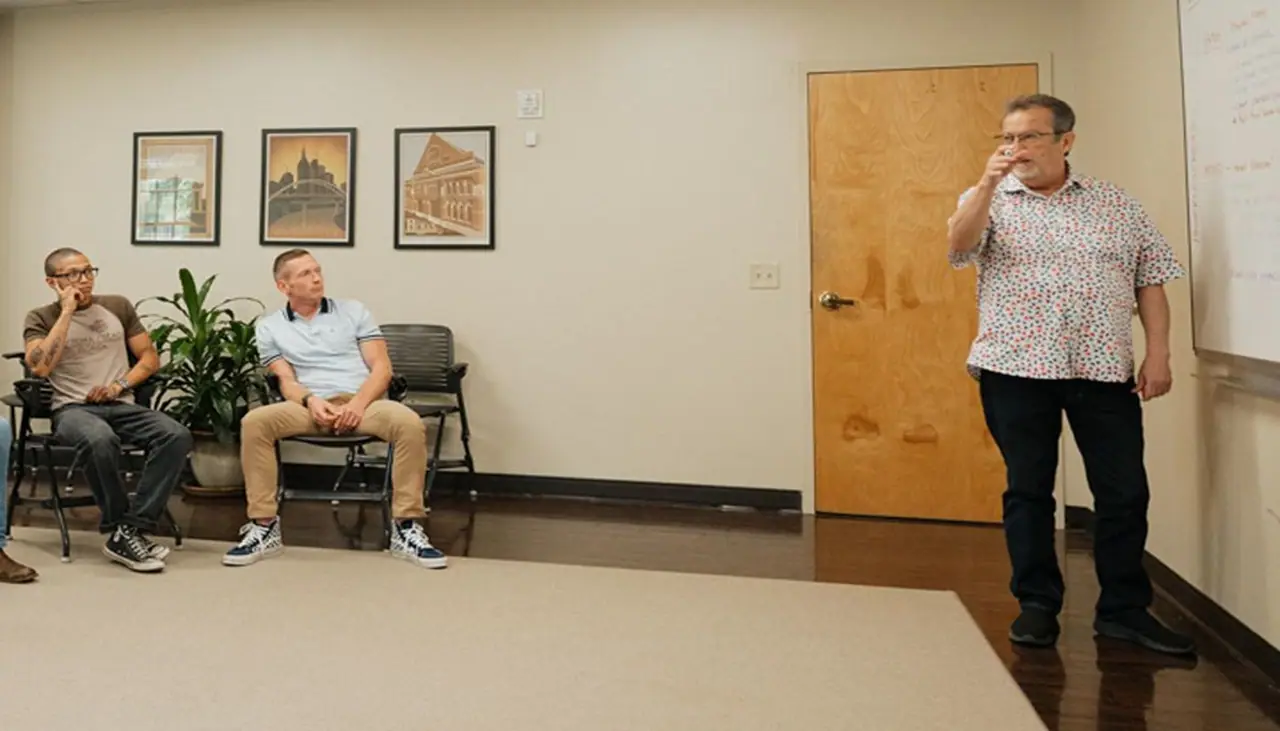


The Bartlett office of Cumberland Heights, at 8059 Stage Hills Blvd., delivers a Twelve Step outpatient program for adults with alcohol and drug use disorders. The nonprofit behind it opened in 1966 and now lists 15 outpatient locations across Tennessee, plus retreats and a residential facility. Care is evidence-based and individualized, with the team working to match support to each person's situation.
Something worth knowing: the Memphis site runs its intensive outpatient groups on Monday, Tuesday, Thursday, and Friday evenings, 6 to 9 p.m. Because the sessions fall after daytime hours, someone can keep working or handle responsibilities at home and still come in on several weeknights. Where a mental health condition exists together with substance use, the center treats both concurrently, so the two sets of needs are met side by side.
The center holds Joint Commission accreditation. Its approach blends Twelve Step facilitation with clinical therapies and, when appropriate, medication-assisted treatment. Staff describe the work as individualized and compassionate, shaped around what each person is dealing with rather than a single fixed curriculum.
Cumberland Heights Memphis Bartlett
Intensive outpatient care is the main offering here, with sessions four evenings a week. Outpatient services let a person live at home while attending counseling, which often suits someone stepping down from residential care or catching a problem before it worsens. The outpatient rehab programs in Tennessee at this Bartlett location run 28+ days, though the team may extend care when needs call for it.
Therapy options include cognitive behavioral therapy, family therapy, group counseling, individual counseling, trauma-specific therapy, art therapy, adventure therapy, spiritual care, and twelve step facilitation and medication assisted treatment is available, and telehealth is an option. For someone with a substance use disorder along with a mental health diagnosis, dual diagnosis care at this Tennessee center addresses both at the same time, instead of treating one condition and ignoring the other.
- 1-on-1 Counseling
- Personalized Treatment
- Group Therapy
- Family Therapy
- Spiritual Care
- Holistic
- Trauma-Specific Therapy
- Art Therapy
- Twelve Step Facilitation
- Twelve Step
Who this Bartlett program is built for
- Adults with alcohol use disorder who want structured outpatient support
- Adults dealing with drug addiction who can attend evening sessions
- Individuals with a mental health condition occurring at the same time as a substance use disorder
- Men and women seeking a Twelve Step-based approach
- Individuals stepping down from residential care who need continuing support
- Families looking for a provider in the Memphis area that accepts commercial insurance
Setting and program length in Bartlett
The Memphis office is an outpatient facility located in Bartlett, Tennessee. Its profile lists air-conditioned rooms, a recreation room and four photos. Programs usually run 28+ days, and services are available in English. Since this is an outpatient site and not a residential building, people stay at home overnight and attend scheduled sessions. The intensive outpatient schedule meets four evenings each week.
Paying for care at Cumberland Heights
Cash pay rates are posted, and the organization reports accepting most major insurance plans; the helpline can help you learn what your policy covers before anything is scheduled. Since coverage depends on your particular plan and the recommended level of care, it is best to settle cost questions by phone with your insurer and the center. Calling the helpline costs nothing, and the helpline does not provide treatment.
Questions worth asking this center
- Does my family member need intensive outpatient care or a different level of care first?
- Which insurance plans does the Bartlett office accept, and what will be left to pay?
- How is co-occurring mental health treatment combined with substance use counseling here?
- What does the evening schedule look like, and how long does a typical stay run?
- What continuing care, recovery coaching or support meetings follow the program?


Further options to consider
-

Average stay duration 30+ days6-15 bedsNashville, TN
- Residential Rehab
This page explains what Integrative Life Center Men's Nashville offers families.
-

Average stay duration 30+ days31-50 bedsMemphis, TN
- Joint Commission
- Detox
- Co-Occurring Mental Health
The Oaks at Lakeside Memphis is a Joint Commission-accredited center in East Memphis.
-

Average stay duration 90 daysHendersonville, TN
- Joint Commission
- Detox
- Co-Occurring Mental Health
- Outpatient
Epiphany Tennessee Drug and Alcohol Rehab sits on Anderson Lane North in Hendersonville and is one of 325 SAMHSA-listed facilities across Tennessee.
-

Iris Wellness Group
5.0/513 Google reviews
Average stay duration 30 daysChattanooga, TN
- Co-Occurring Mental Health
- Outpatient
Iris Wellness Group Chattanooga runs an outpatient program located on Mountain Creek Road.
-

Average stay duration 120 day31-50 bedsPinson, TN
- Joint Commission
- Residential Rehab
- Outpatient
Youth Town Pinson works with teens and their families on a rural campus in Tennessee.
-
Tree House Recovery TN
4.9/557 Google reviews
Average stay duration 30 daysNashville, TN
- Joint Commission
- Co-Occurring Mental Health
- Outpatient
Tree House Recovery TN Nashville is an outpatient center for substance use along with co-occurring mental health.

Questions people ask
Does Cumberland Heights Memphis Bartlett offer detox?
No. The Bartlett location lists outpatient care and mental health needs alongside substance use, but not detox. A person requiring withdrawal management would go to another provider, which matters since alcohol and benzodiazepine withdrawal may be medically risky and should be supervised by a clinician. If detox is the right care level the helpline can help you find a Tennessee program that offers it.
Is Cumberland Heights Memphis a rehab center in Tennessee that takes insurance?
According to the organization, most major insurance plans are accepted, and cash pay rates are posted as well. Coverage hinges on your particular plan and the level of care that is recommended, so verify your benefits over the phone before you book anything. Through trained advisors, the helpline connects callers with licensed providers; calls remain private and place you under no commitment. On SAMHSA FindTreatment.gov, Tennessee has 325 facilities listed, which means there are options to consider.
How long do people stay in this outpatient program?
A typical stay runs 28 days or longer, and staff can add more time when a person needs it. The intensive outpatient groups gather on Monday, Tuesday, Thursday and Friday, 6 to 9 p.m., so daytime hours stay free for employment. It is worth asking the center how they track how things are going and what kind of lower-intensity support follows.
Does Cumberland Heights Memphis treat dual diagnosis?
Yes, among the services listed are mental health needs that coexist with substance use. Rather than treating them in separate silos, care addresses substance use and mental health simultaneously, and research backs this approach for people who have both. The center carries Joint Commission accreditation. If it is unclear whether your family member qualifies, call and explain the situation; the helpline can also assist you in comparing other dual diagnosis programs across Tennessee.
What if my family member needs a level of care this Bartlett office does not provide?
In that case, the helpline can direct you to other options. Cumberland Heights runs a residential facility as well as other outpatient sites, and Tennessee lists 325 facilities on SAMHSA FindTreatment.gov. A clinician can assess whether detox or residential care should come first.