Samaritan Recovery Community Nashville
Samaritan Recovery Community Nashville has offered residential help in East Nashville since 1964. It is one of 325 SAMHSA-listed facilities across Tennessee. This guide covers who it serves and what to ask before applying.
- Residential Rehab
- 30 days
Samaritan Recovery Community Nashville is a nonprofit on South 5th Street that has served grown ups with substance use conditions and mental health concerns since 1964. Public funding and private donations keep it running, and much of its work centers on people who are unhoused or otherwise underserved. Rather than one narrow service, the organization runs residential care, outpatient treatment and transitional living, so someone can move between levels of support as needs change.
Staff described in the center's own materials include licensed counselors, mental health specialists and a registered dietitian. Treatment treats addiction and co-occurring conditions as connected parts of one plan, so a person with depression, trauma or anxiety alongside a substance use disorder is not handed off between separate tracks. The center has a trauma-informed, evidence-based and holistic approach, and participation is voluntary and private.
When you are calling for a loved one, the helpline can help you learn whether a residential bed is available and whether insurance or Medicaid would cover the stay; it is not the center and cannot promise admission. Samaritan Recovery Community Nashville provides residential rehab and drug rehab in Tennessee for adults. The overview below describes programs, setting, payment and questions worth asking.
Residential rehab and therapy options
The listed level of care is residential rehab, and a typical program runs 30 days. Counseling options include cognitive behavioral therapy, family therapy, individual counseling, group therapy, motivational interviewing, life skills, psychoeducation, and relapse prevention counseling. Samaritan Recovery Community Nashville blends residential rehab with counseling for substance use in Tennessee.
If a 30-day residential stay is being considered, plan for the transition afterward, since the center lists continuing care, outpatient treatment, aftercare group therapy, discharge planning and relapse prevention planning. Treatment at this Nashville center can include detox support and drug rehab planning in Tennessee. Coming off benzodiazepines or alcohol can be medically risky, so a clinician should assess and oversee that period rather than leaving it to willpower.
- Family Therapy
- Motivational Interviewing
- Evidence-Based
- Relapse Prevention Counseling
- Group Therapy
- Cognitive Behavioral Therapy
- Trauma Informed
- 1-on-1 Counseling
- Life Skills
- Holistic
Who the program is made for in Nashville
- Adults managing mental health needs together with substance use
- Men and women, including people who are unhoused or underserved
- People with depression, anxiety, bipolar disorder, PTSD, schizophrenia or trauma
- People who use alcohol, benzodiazepines, cocaine, heroin, prescription drugs or other substances
- People who need a step-down into transitional living or outpatient care
Stay length, setting, and comfort features
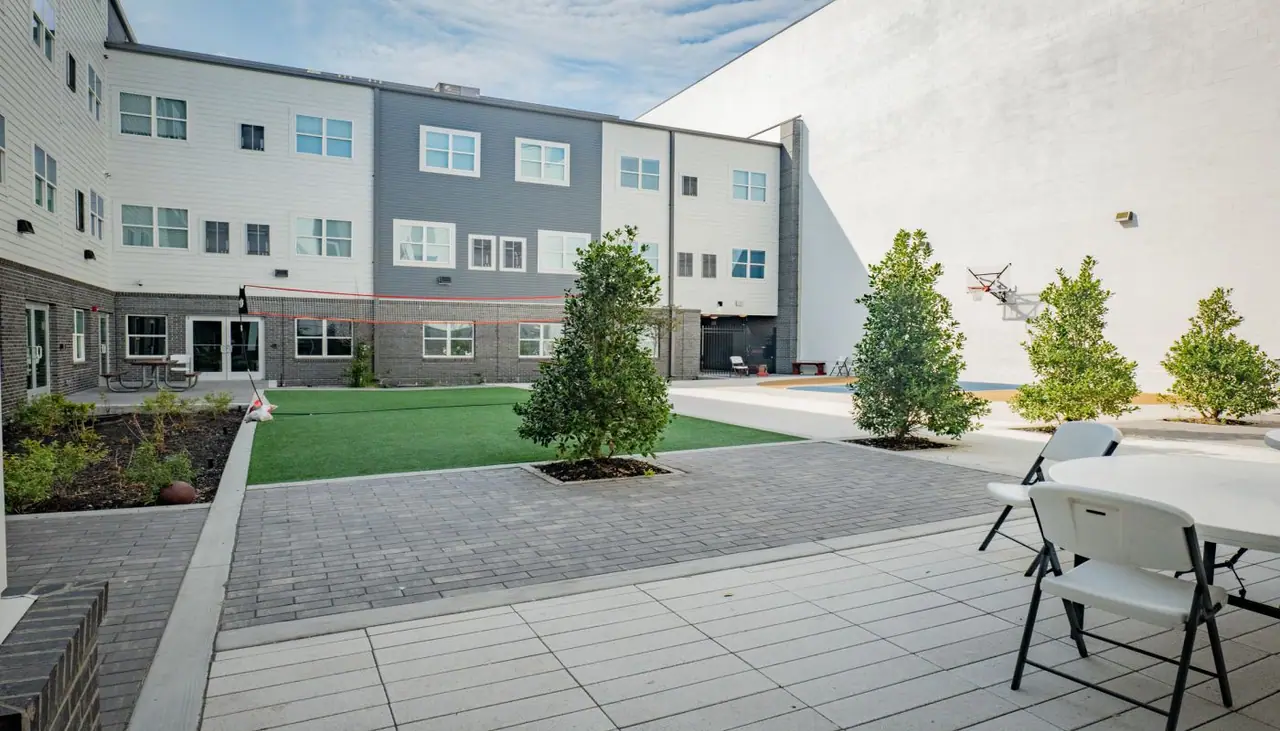
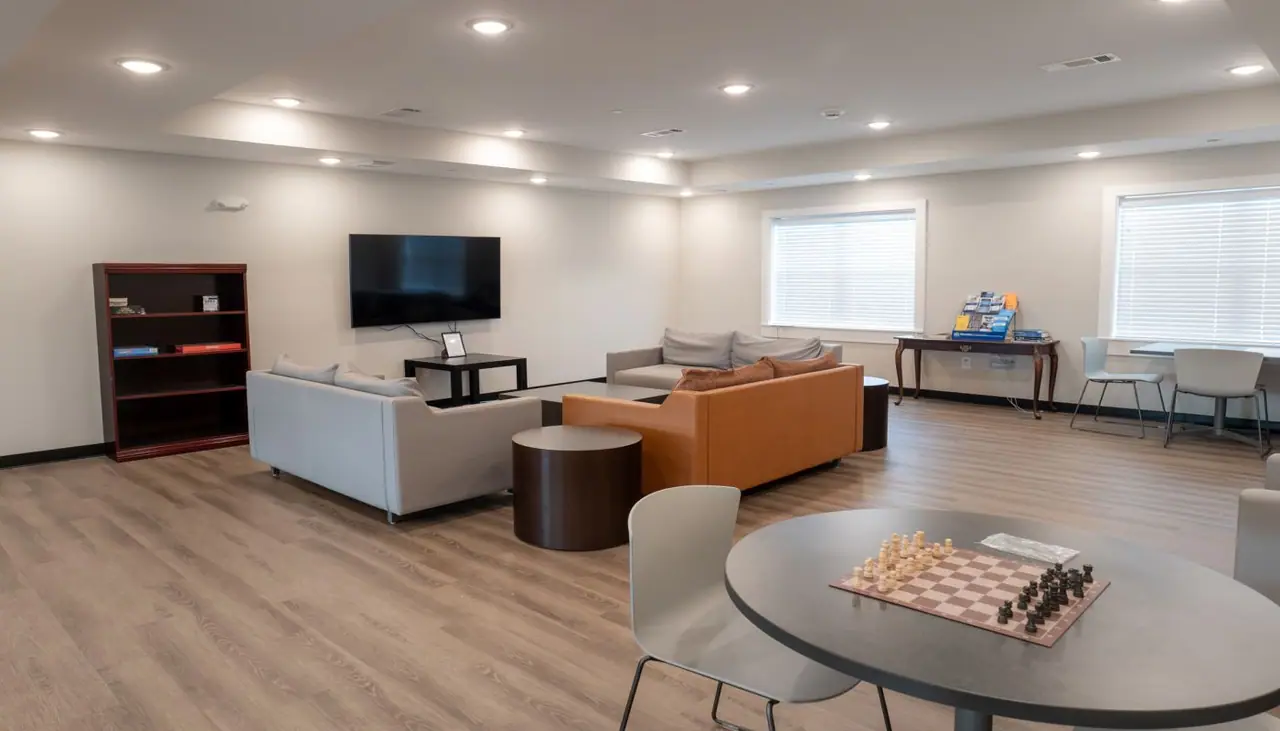
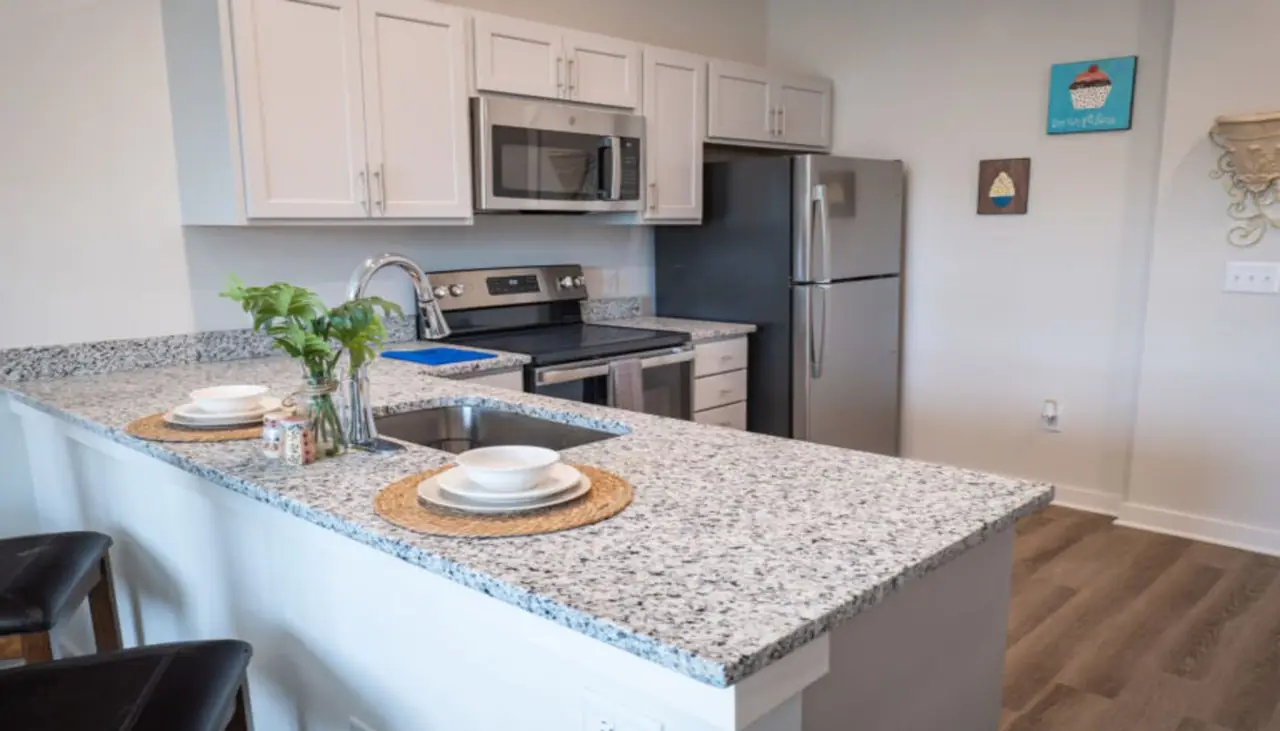
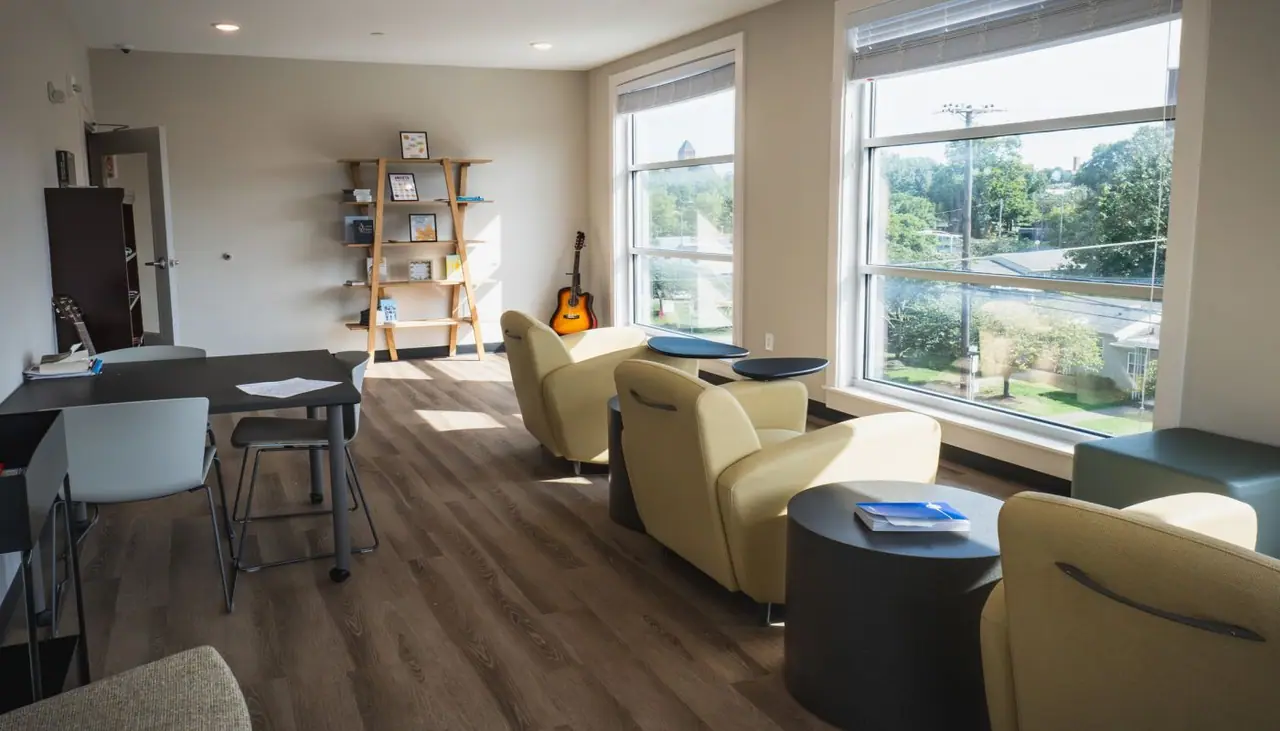
Residential clients sleep in shared rooms and can use lounges, a recreation room, outdoor space and a basketball court; a typical stay is 30 days. Services are offered in English. If a family member needs a 30-day residential program in Nashville TN, then the shared rooms and on-site recreation may suit them. Transitional housing is also part of the model, giving people structure while they hold a job, and the center assists with transportation for those in crisis.
- TV
- Basketball Court
- Outdoor Lounge
- Lounge
- Recreation Room
- Outdoor Space
Paying for residential care in Nashville
Since it operates as a nonprofit with support from public funds and donations, it might create options for people who have little income, though the exact costs are not made public and have to be confirmed with the center itself. When you are not sure about insurance or Medicaid coverage, have the center verify it before you settle on a start date. The helpline can assist you in gathering those questions; the call is free, remains private, and nobody has to enroll.
What to raise ahead of entering care
- Is a residential bed available now, and what is the typical wait?
- Does my family member's insurance or Medicaid plan cover the 30-day stay?
- How does this center handle withdrawal from alcohol or benzodiazepines?
- Are mental health needs alongside substance use treated in the same plan?
- What aftercare, housing and employment help is available at discharge?


More programs around Nashville
-
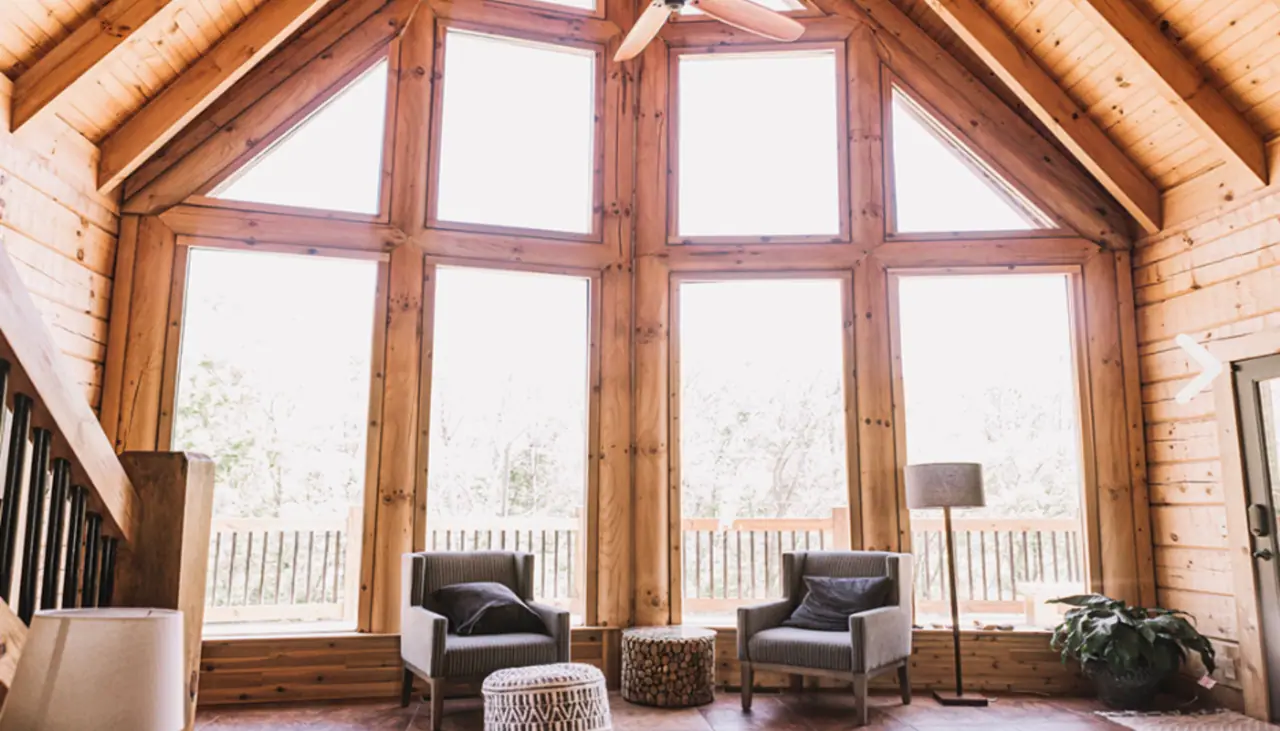
Average stay duration 30+ days6-15 bedsNashville, TN
- Residential Rehab
This page explains what Integrative Life Center Men's Nashville offers families.
-
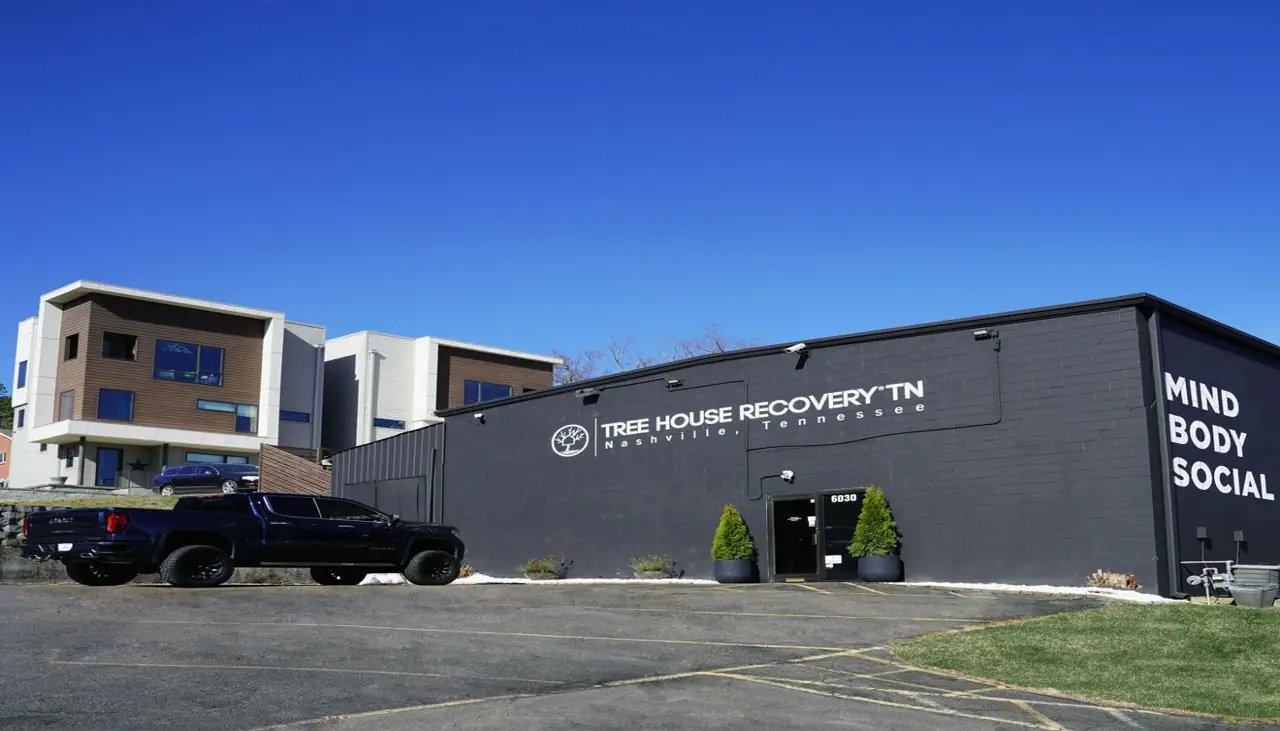
Tree House Recovery TN
4.9/557 Google reviews
Average stay duration 30 daysNashville, TN
- Joint Commission
- Co-Occurring Mental Health
- Outpatient
Tree House Recovery TN Nashville is an outpatient center for substance use along with co-occurring mental health.
-
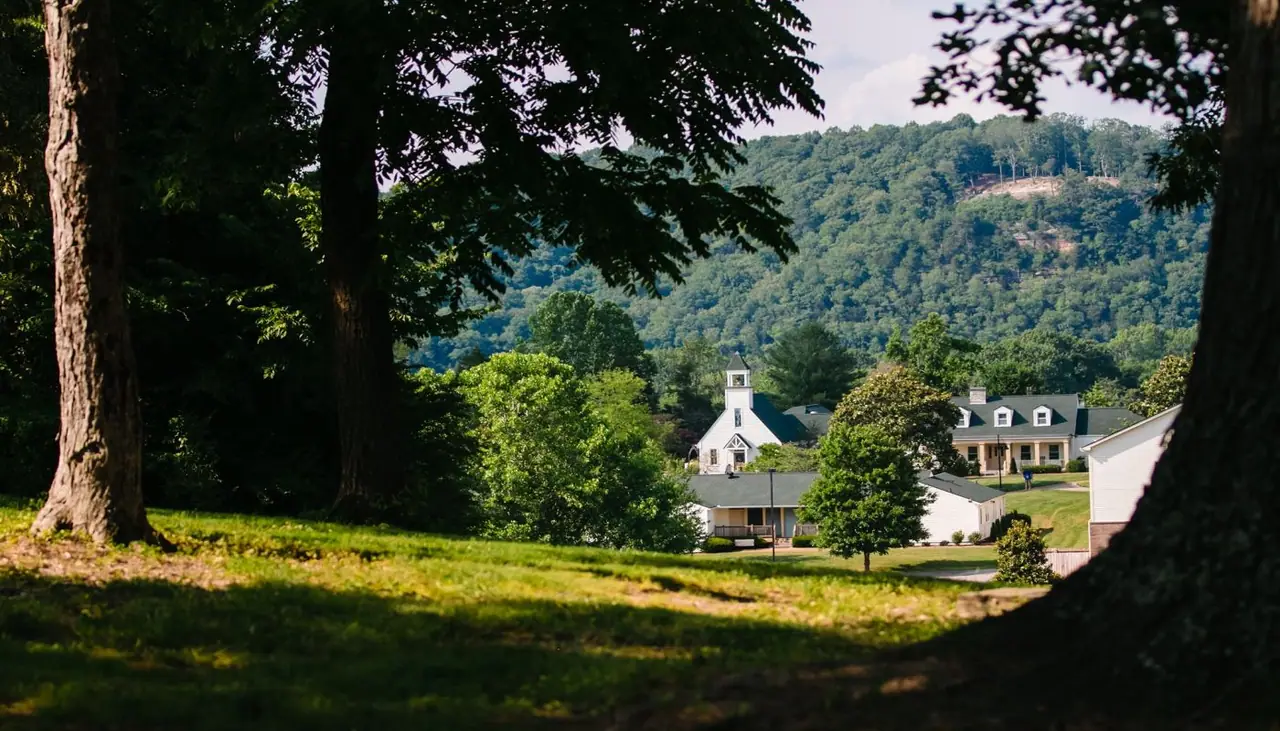
Cumberland Heights Nashville
4.6/5232 Google reviews
Average stay duration 30+ daysNashville, TN
- Joint Commission
- Detox
- Co-Occurring Mental Health
- Outpatient
Cumberland Heights Nashville is a nonprofit rehab in Tennessee on River Road Pike.
-
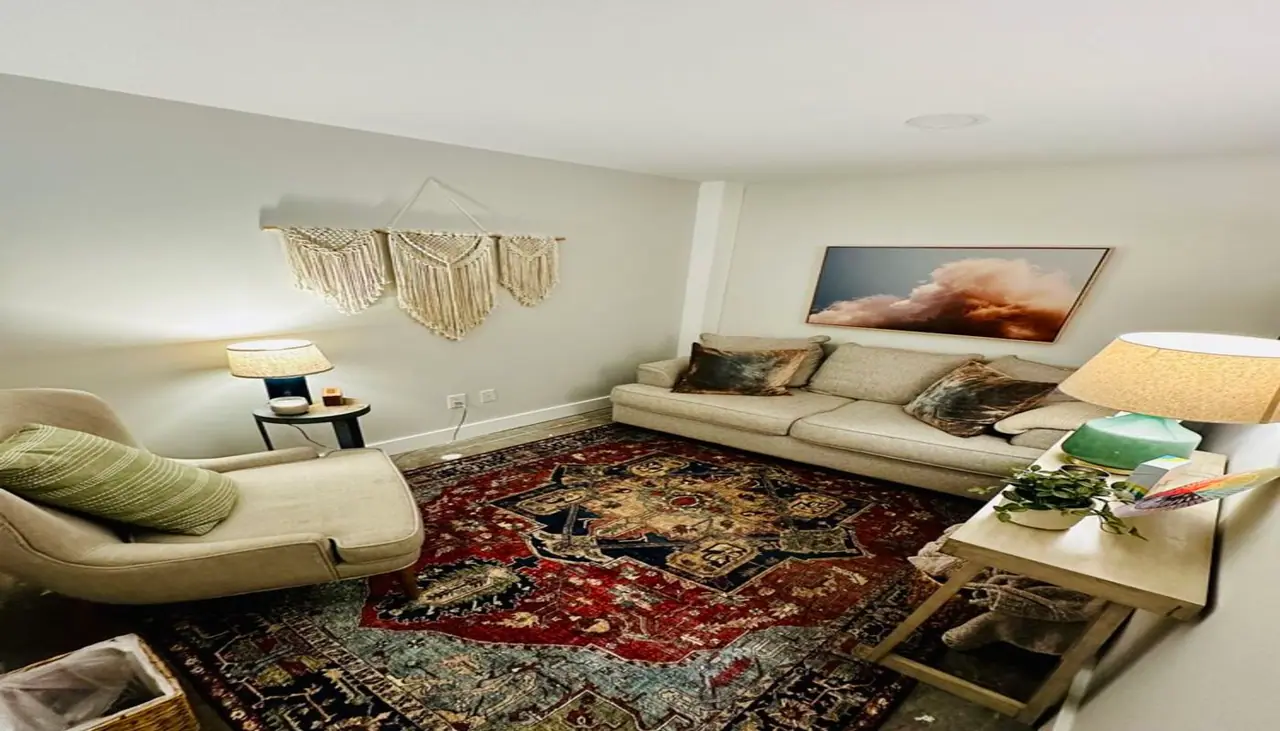
Average stay duration 30 dayNashville, TN
- Co-Occurring Mental Health
Psychobabble is a counseling practice in Nashville, independently owned, with one-on-one sessions.
-
Average stay duration 30 daysNashville, TN
- Joint Commission
- Detox
- Residential Rehab
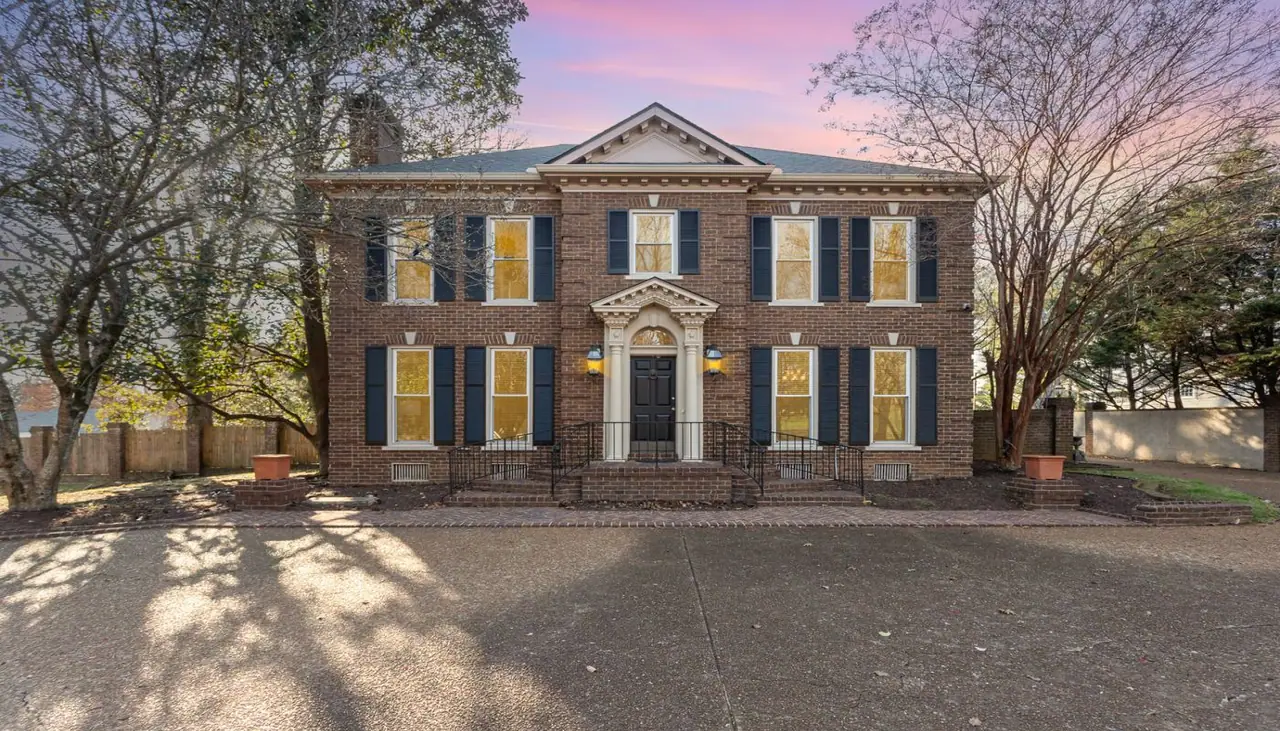
Tennessee Behavioral Health Nashville holds Joint Commission accreditation and provides detox and residential care.
-
Average stay duration 30+ daysNashville, TN
- Joint Commission
- Outpatient
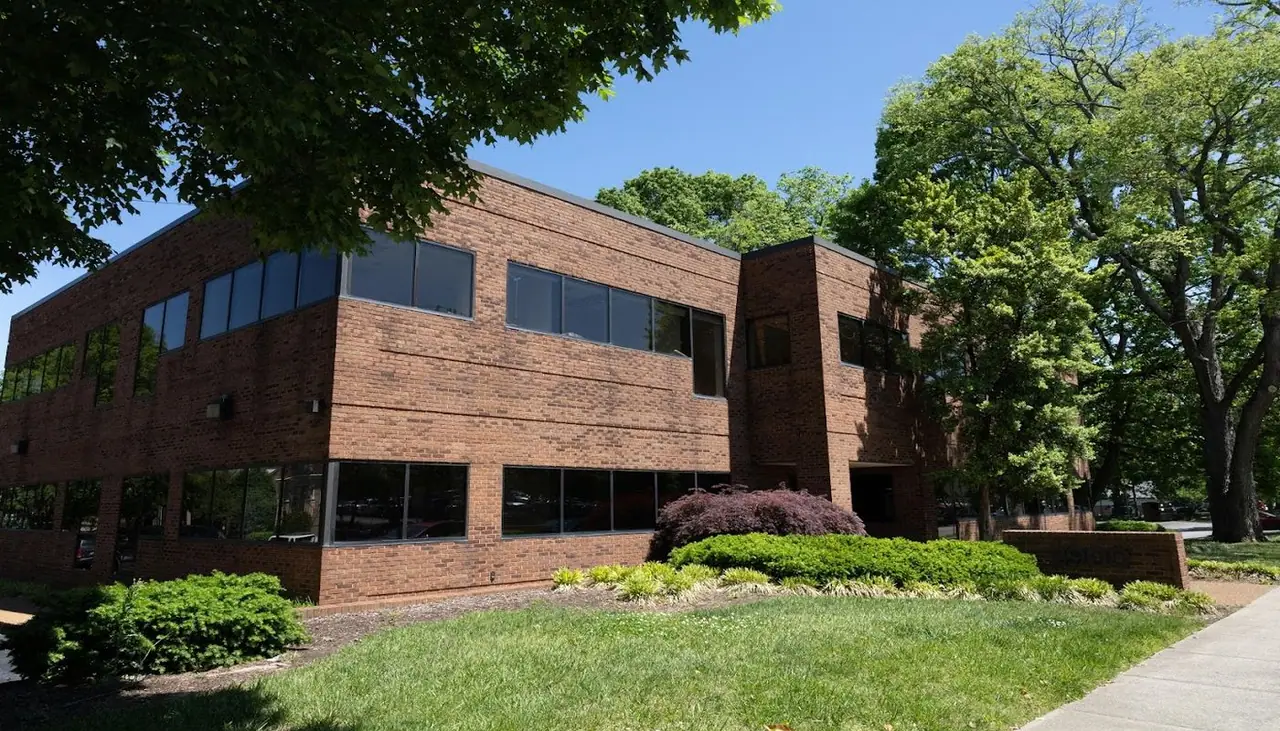
Pasadena Villa Outpatient Nashville runs two daytime levels of mental health care for adults.

Questions people ask
How long is treatment at Samaritan Recovery Community Nashville?
A typical residential rehab program lasts 30 days. That number is a norm rather than a guarantee, so the actual stay can vary with clinical need and housing options at discharge. Ask about continuing care and transitional living before the start date so the plan beyond those 30 days is clear.
Does Samaritan Recovery Community Nashville accept Medicaid or insurance?
Since coverage details are not published, the center itself is the only dependable source for an answer. It is a nonprofit backed by public funding and donations, which may help people with limited income, but you should still ask directly about insurance and Tennessee Medicaid. If another option suits you better, there are 325 SAMHSA-listed facilities across the state.
What therapies are offered at this Nashville drug rehab?
Among the services in the listing are one-on-one counseling, cognitive behavioral therapy, family therapy, group counseling, motivational interviewing, psychoeducation, life skills, and counseling to prevent relapse. The care is described as evidence-based, holistic, and trauma informed. If a person has a substance use disorder with a mental health condition, ask how one plan addresses both jointly.
Can detox be arranged here, and can it be risky to quit alcohol or benzodiazepines without help?
Benzodiazepines are among the substances the center addresses, and detox could be included in a plan, though you should confirm specifics directly with the center. Quitting alcohol or benzodiazepines abruptly can be hazardous, so a clinician should evaluate the person and manage that stretch of time. The helpline can assist you in locating a program that offers suitable medical support.
What should I ask Samaritan Recovery Community Nashville before admission?
Ask whether a residential bed is open right now, how the center verifies insurance or Medicaid coverage, and in what way mental health needs are handled alongside substance use within the same plan. Also ask about withdrawal protocols, how the family is involved, and what help with housing or employment is available after someone leaves. The helpline can help you prepare these questions; the call is free and you are not obligated to enroll by making it.