Nashville Mental Health Murfreesboro
This page covers one Murfreesboro center for mental health and substance use. Nashville Mental Health sits among 325 Tennessee facilities listed by SAMHSA. Our helpline is independent and free to call.
- Joint Commission
- Co-Occurring Mental Health
- Residential Rehab
- Outpatient
- 30 days
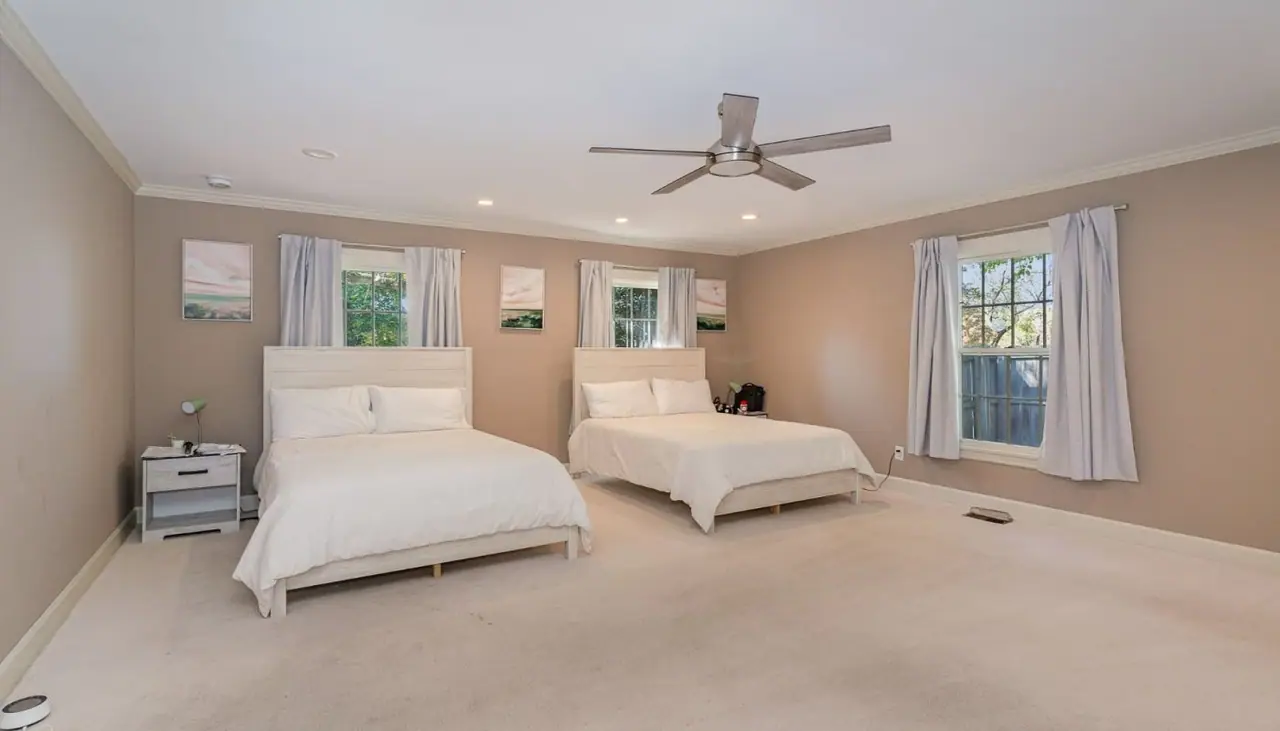
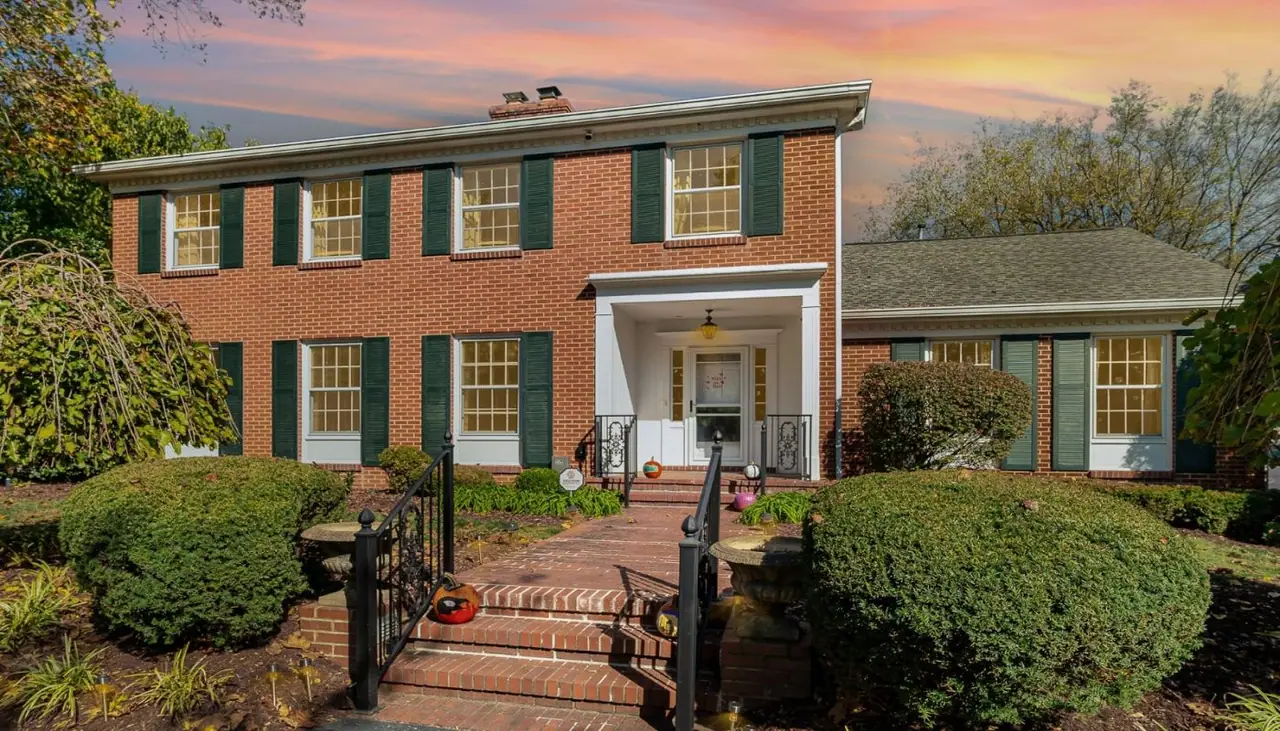
Nashville mental health Murfreesboro care at this center runs from residential rehab to outpatient treatment in a small 6-15 bed setting, and the location on SE Broad Street opened in 2024 with Joint Commission accreditation. A person can come in needing round-the-clock structure or attend day treatment and intensive outpatient sessions while living at home. The center describes a single coordinated plan rather than two separate tracks.
In practice, this means a single team addresses both mental health and substance use concerns, and medical support is built into the plan. A person with anxiety, depression, or post-traumatic stress disorder receives the same continuity whether in residence or in outpatient groups. Shifting between levels of care does not require starting over with people they don't know.
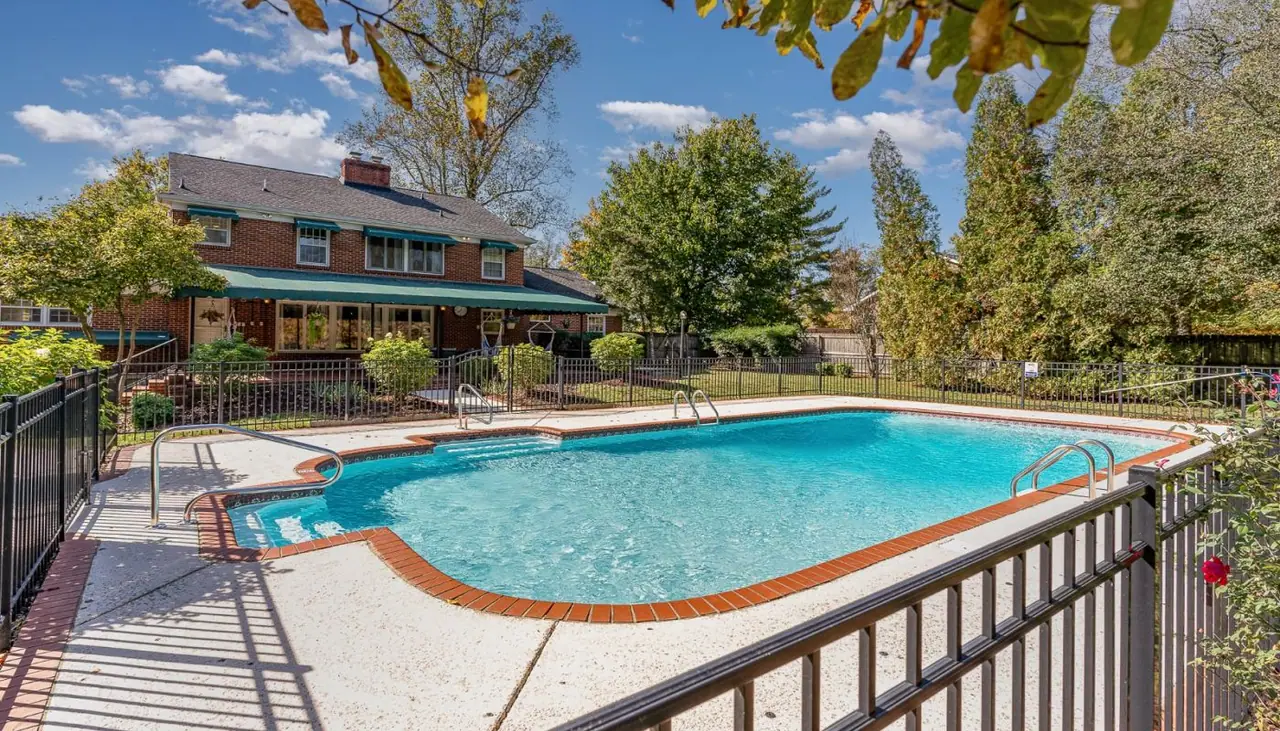
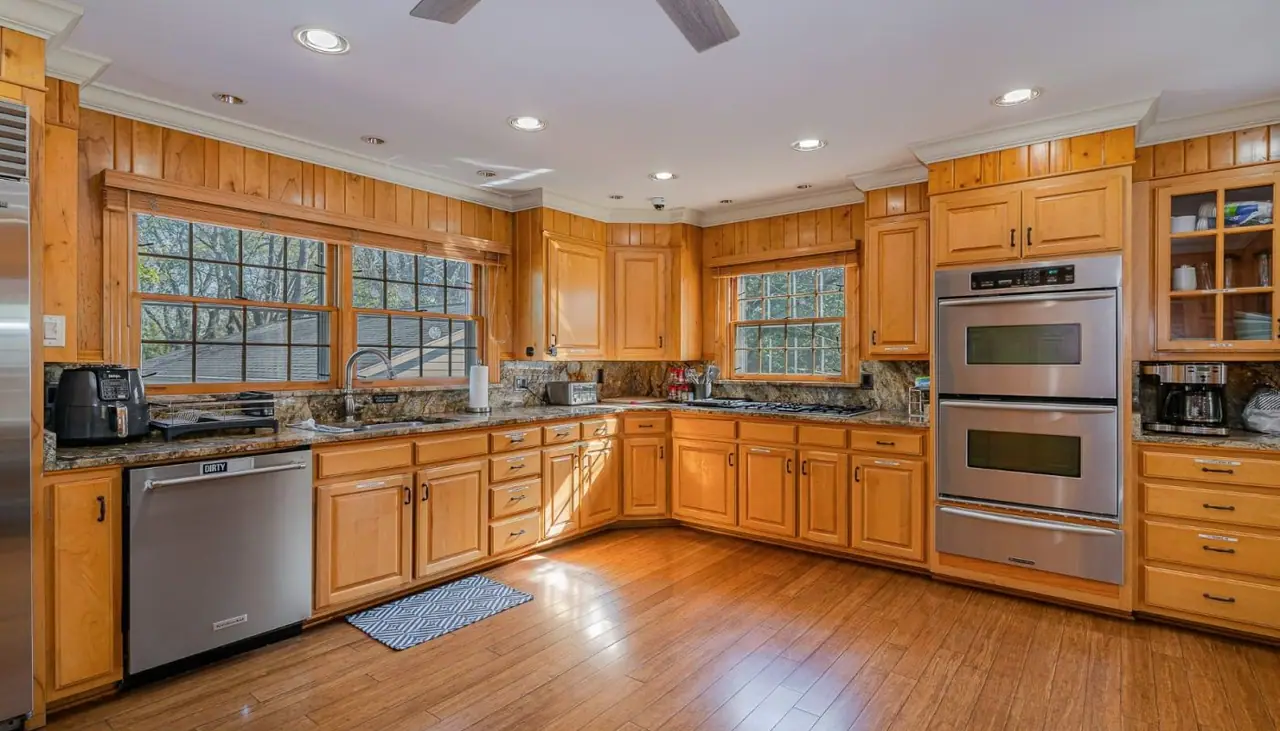
The environment is designed to feel like a residence instead of a hospital unit. Rooms come private or shared, all with air conditioning, and meals are cooked on site. Between sessions, residents can use a gym, a pool, gardens, and outdoor areas. All of this comes from public listings, so the center's own staff are the people who can confirm what is available right now.
Nashville mental health Murfreesboro
When comparing rehabilitation programs in Tennessee, this center offers outpatient care, mental health treatment for co-occurring conditions and residential rehab, and a typical stay lasts around 30 days. Its published information mentions Suboxone and medication-assisted treatment for people whose plan includes them. If anxiety or depression calls for both clinical care and daily-living support, the residential program combines therapy with habit-building routines such as nutrition and physical activity.
Therapy includes cognitive behavioral therapy, individual counseling, group sessions, family therapy, art therapy, acupuncture, somatic experiencing, stress management, and trauma-specific work. This Tennessee center describes its approach as evidence-based, holistic, medical, personalized, and trauma-informed. Within residential care, a sleep-focused track teaches sleep hygiene, relaxation methods, and mindfulness skills together with medication management.
- Personalized Treatment
- Cognitive Behavioral Therapy
- Somatic Experiencing
- Acupuncture
- Individual Treatment
- Trauma-Specific Therapy
- Trauma Informed
- Holistic
- Stress Management
- Evidence-Based
Who should consider this program
- Adults identifying as men or women, treated in a small residential setting of 6-15 beds
- People living with anxiety, depression, grief and loss, obsessive compulsive disorder, personality disorders, or post-traumatic stress disorder
- People managing schizophrenia, bipolar disorder, or perinatal mental health concerns
- People facing mental health disorders together with simultaneous substance use disorders who prefer a single coordinated plan
- People seeking drug addiction treatment with medication-assisted options such as Suboxone
- People who want residential structure with a step-down path into day treatment or intensive outpatient care
Location, stay length, and daily routine
A residential stay here usually lasts around 30 days, and with 6-15 beds the group stays small, and services are offered in English. For someone who does best with privacy, private rooms are offered next to shared ones, all with air conditioning. Residents have access to the fitness center, pool, gardens, and outdoor lounge, and meals are made by an in-house chef. Yoga and physical fitness are woven through the week, and the residential program includes everyday wellness habits like nutrition and activity.
- Pool
- Gourmet Dining
- Gardens
- Fitness Center
- Outdoor Lounge
- Outdoor Space
Paying for this center's care
The center publicly mentions cash pay rates as its payment choice, so direct any insurance question to the center by phone. On that call, request a written estimate that separates the program fee from therapy add-ons, medications, and any additional days. A listing cannot tell you what a particular plan will approve. Our helpline is free and private, and nothing about you is shared unless you agree.
Questions worth posing before admission
- Does my plan cover residential care first, or does it require outpatient care before approval?
- What happens if 30 days is not enough, and how is a longer stay approved and billed?
- Which therapies are included in the base rate, and which are billed separately?
- How does the sleep-focused program fit alongside the main treatment plan, and who leads it?
- Which medications does the center manage on site, and who prescribes them?
More programs around Murfreesboro
-
Average stay duration 30 daysMurfreesboro, TN
- Sober Living
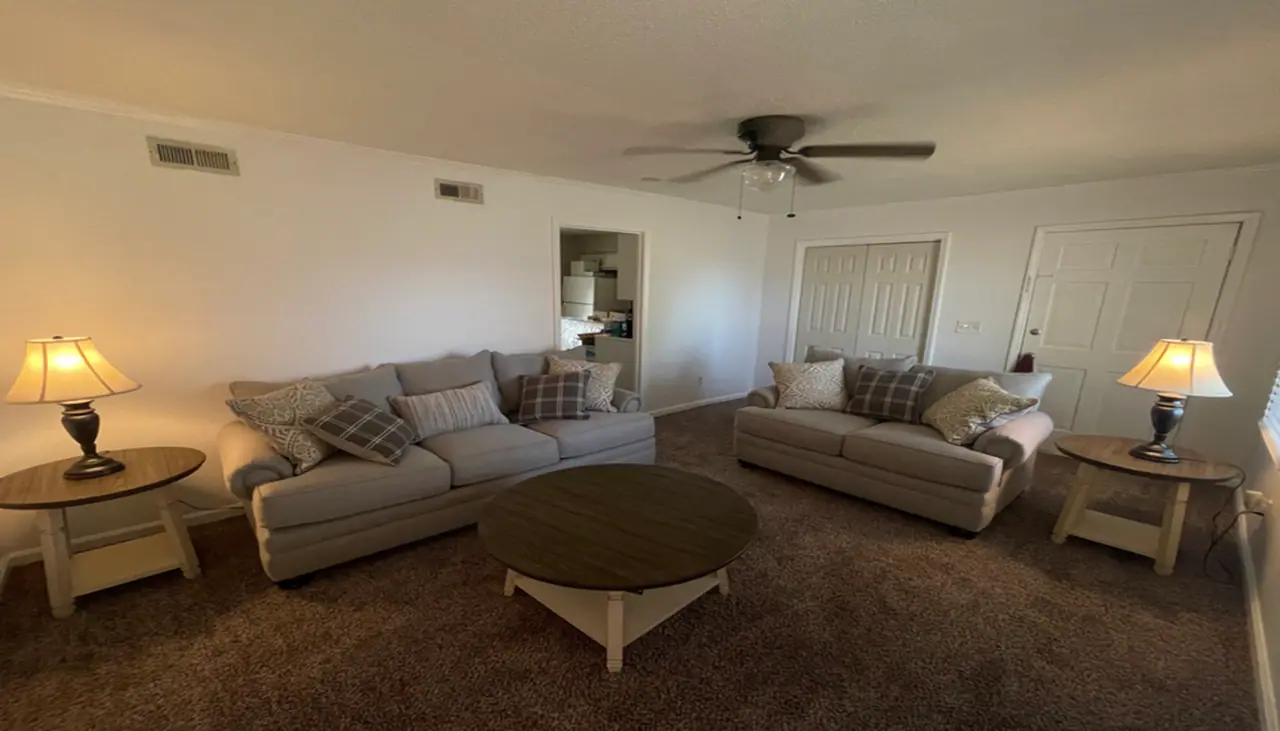
Beacon Recovery Residences Murfreesboro gives women a sober living home after substance use treatment.
-
Murfreesboro, TN
- Joint Commission
- Residential Rehab
- Outpatient
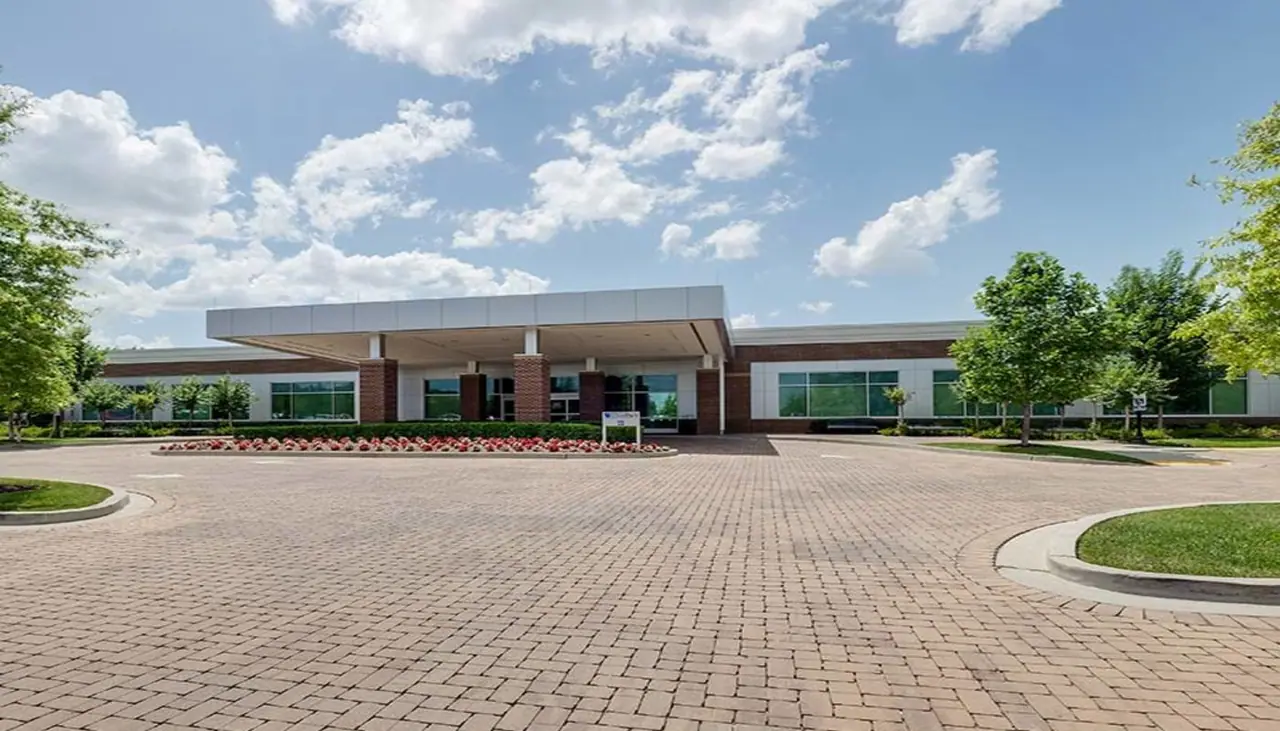
TrustPoint Hospital Murfreesboro provides residential and outpatient care for people in central Tennessee.
-
Threshold Recovery
4.9/5198 Google reviews
Average stay duration 30 daysMurfreesboro, TN
- Sober Living
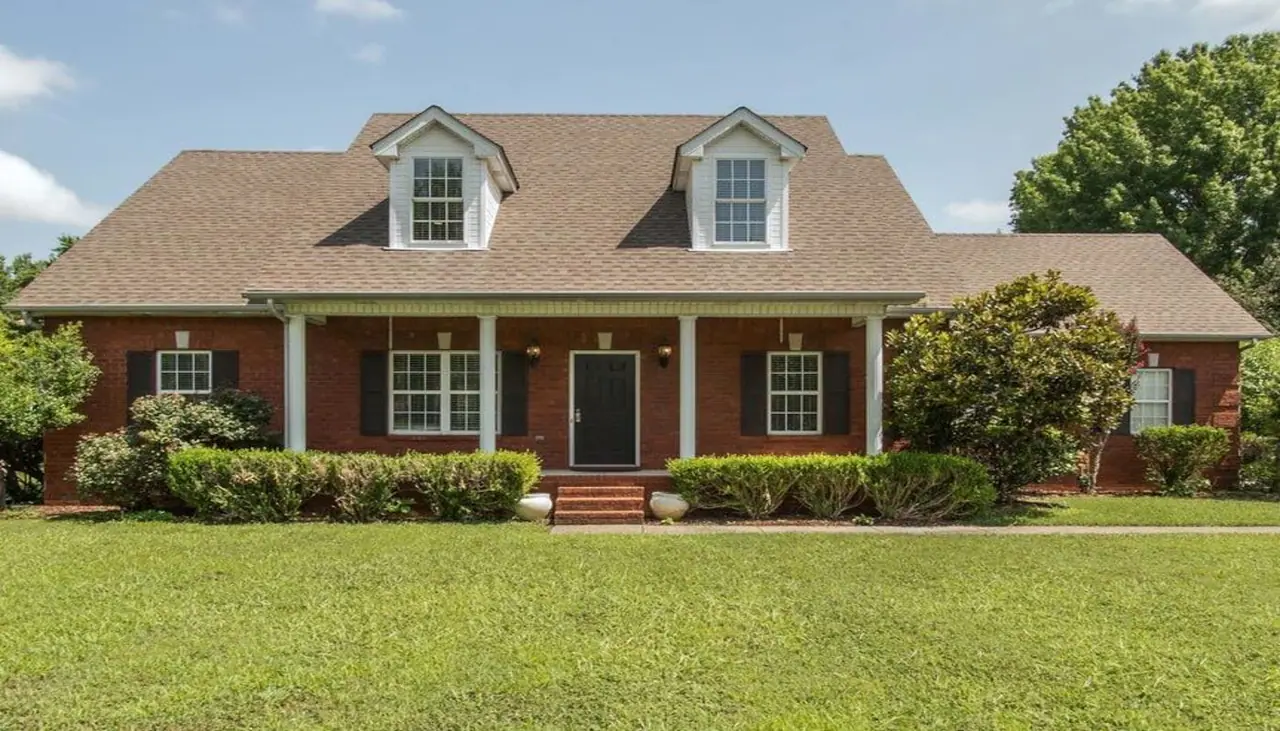
Threshold Recovery Murfreesboro offers sober living rather than hospital care or medical detox.
-

JourneyPure
4.6/5474 Google reviews
Average stay duration 90 days31-50 bedsMurfreesboro, TN
- Detox
- Co-Occurring Mental Health
JourneyPure Murfreesboro is a Tennessee treatment center for adults.
-
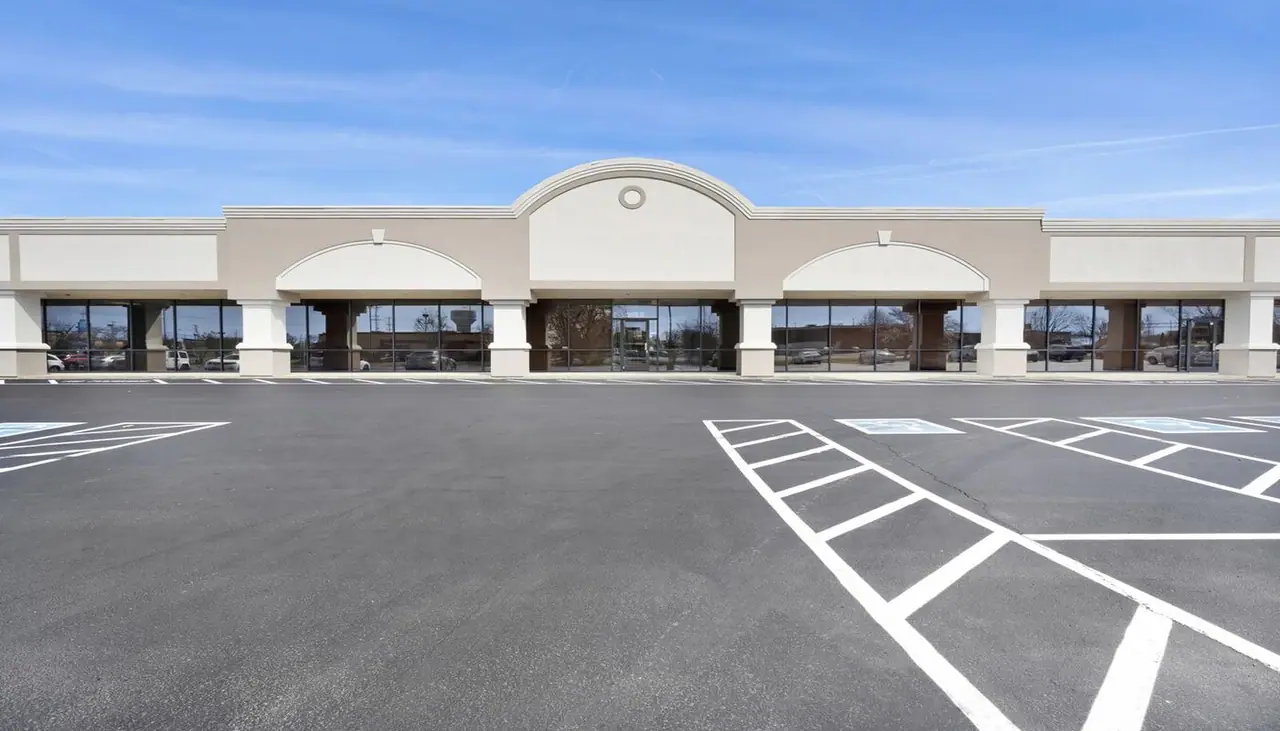
BHG Murfreesboro Treatment Center
4.1/521 Google reviews
Average stay duration 30 daysMurfreesboro, TN
- Joint Commission
- Co-Occurring Mental Health
- Outpatient
This page covers one outpatient clinic in Rutherford County.
-
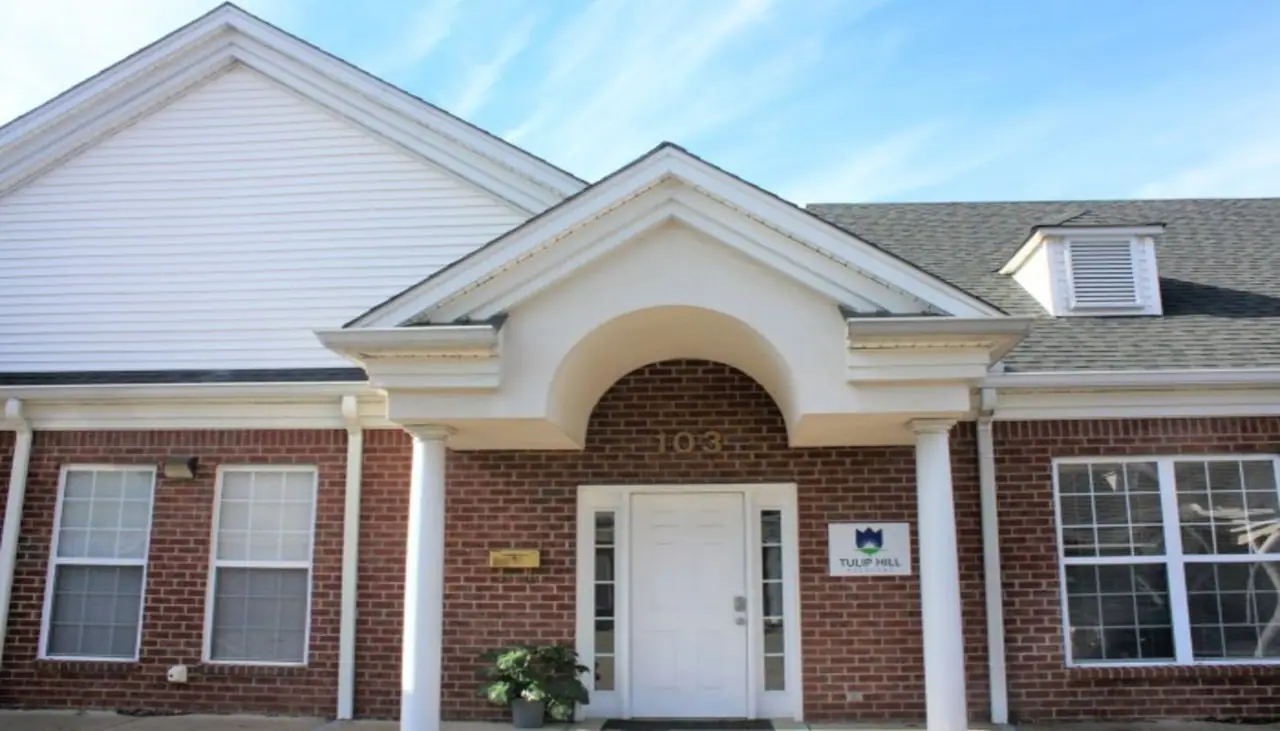
Tulip Hill Recovery
4.9/5195 Google reviews
Average stay duration 90 days6-15 bedsMurfreesboro, TN
- Co-Occurring Mental Health
- Outpatient
Tulip Hill Recovery Murfreesboro concentrates on outpatient care for people facing substance use and mental health conditions.
Questions people ask
Is Nashville mental health Murfreesboro care covered by insurance?
What your plan covers depends on its terms, and only the center can verify that with you. The payment option shown publicly here is cash pay rates. Being listed does not mean a plan will approve a stay. Before scheduling, get the approval in writing, and ask how cost changes if the level of care shifts partway through.
How long do people normally stay at this center?
Programs here usually run about 30 days, a common length for residential care. With 6-15 beds, the group remains small. If 30 days seems likely to fall short, bring it up before admission instead of at the end, so the plan and the funding are settled ahead of time.
Which levels of care can you get at this center?
This center lists outpatient treatment plus co-occurring mental health treatment as well as residential rehab. Therapy choices include cognitive behavioral therapy, family therapy, art therapy, group counseling, and trauma-specific work. Someone who does not need to stay overnight can still attend outpatient sessions. Our helpline does not treat or diagnose anyone, but we can help you sort out which level to ask about.
Does this center treat substance use alongside mental health conditions?
Yes. The center lists co-occurring disorders and drug addiction among the concerns it treats, and its approach is a single coordinated plan rather than two parallel ones. Medication-assisted treatment, including Suboxone, appears in its published information. If alcohol or benzodiazepines are involved, clinical supervision should guide the stop, since withdrawal from either can become dangerous without medical support.
What if the person I am calling about is not sure they want treatment?
That is common, and no one has to commit to anything to ask questions. If you call our helpline, then you get help preparing questions rather than pressure to enroll. We are independent of the center and do not diagnose anyone. You can ask about levels of care, what a 30-day stay covers, and how payment works, then decide what to do next.